Rwanda is increasingly recognised as one of Africa's most diverse safari destinations, offering far more…
Complete Guide to Wildlife Safaris in Uganda
Uganda is one of Africa’s most diverse safari destinations, offering an exceptional combination of savannah wildlife, tropical forests, mountains, wetlands and lakes. Known as the Pearl of Africa, Uganda provides opportunities to experience classic game drives alongside some of the continent’s most remarkable primate encounters. The country’s protected areas are home to elephants, lions, leopards, buffaloes, giraffes, hippos, chimpanzees, mountain gorillas, golden monkeys and hundreds of bird species. Uganda Wildlife Authority (UWA) currently manages 10 national parks, including Murchison Falls, Queen Elizabeth, Kidepo Valley, Kibale, Bwindi Impenetrable and Mgahinga Gorilla National Parks.
For you, a Uganda wildlife safari can be much more than a traditional game drive. You can combine wildlife viewing with gorilla trekking, chimpanzee tracking, boat cruises, birdwatching, nature walks and cultural experiences. This complete guide from Verdant Safaris explains what to expect and how to plan a memorable safari in Uganda.
Why Choose Uganda for a Wildlife Safari?
Uganda stands out because of the variety of experiences available within one country. Its landscapes range from open savannah and riverine ecosystems to ancient tropical forests and high-altitude mountain environments. UWA describes Uganda’s protected areas as home to iconic wildlife and landscapes, including the mountain gorillas of Bwindi, the tree-climbing lions of Ishasha, Murchison Falls and the Rwenzori Mountains.
A Uganda safari tour can therefore be designed around your specific interests. You might spend several days looking for lions, elephants and giraffes in savannah parks before travelling into the forests of western Uganda for chimpanzee tracking or gorilla trekking. This combination makes Uganda particularly attractive if you want both classic African wildlife and primate experiences.
Uganda’s Best National Parks for Wildlife Safaris
Murchison Falls National Park
Murchison Falls National Park is one of Uganda’s flagship safari destinations. The park is famous for the dramatic Murchison Falls, where the Nile passes through a narrow gorge, as well as its extensive savannah landscapes.
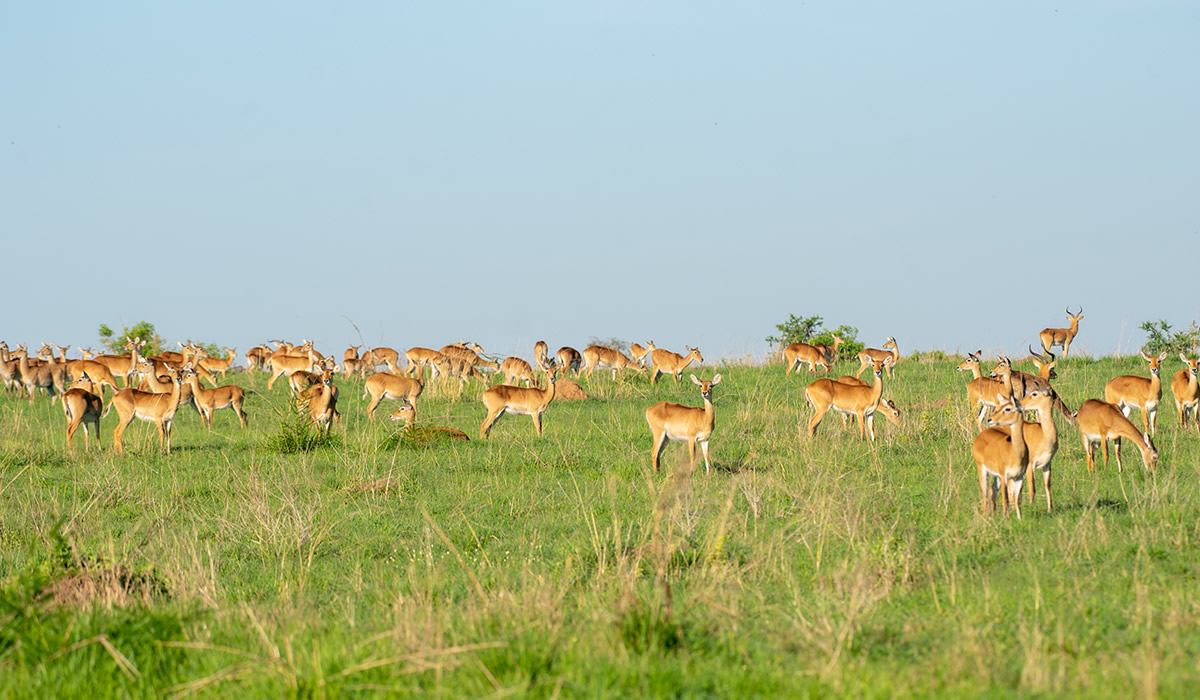
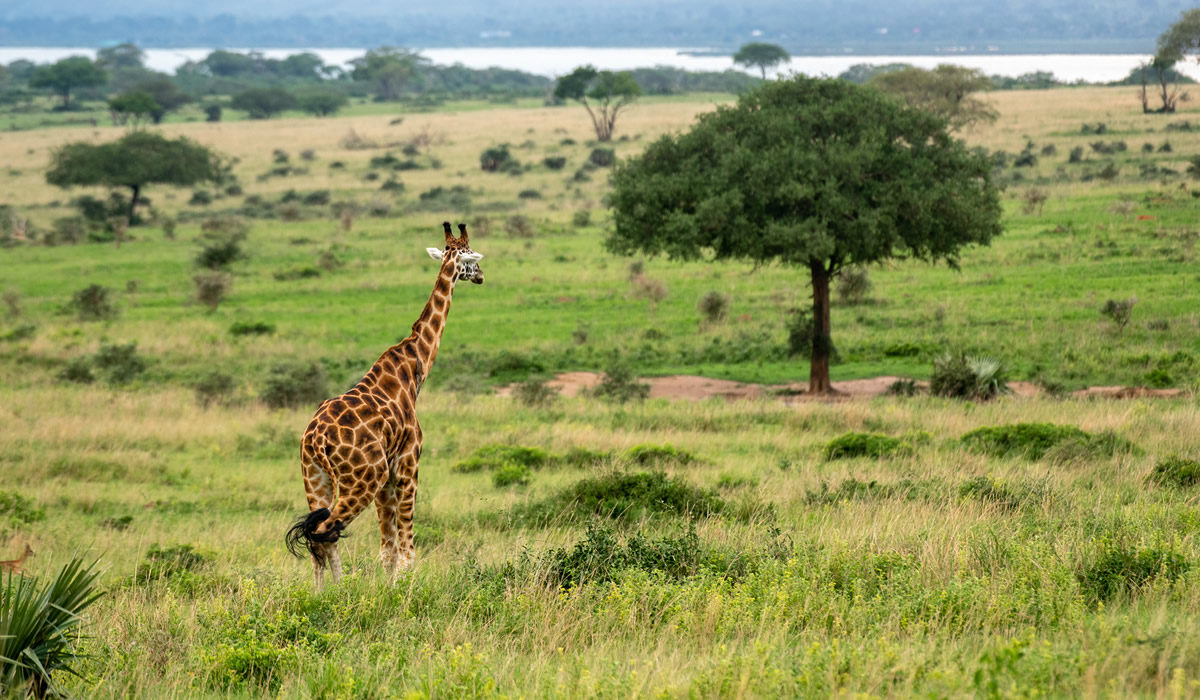
A Murchison Falls safari can include game drives where you search for elephants, buffaloes, giraffes, Uganda kobs and other wildlife. A boat cruise along the Nile provides another perspective, with opportunities to see hippos, crocodiles and numerous waterbirds. You can also visit the top of Murchison Falls for impressive views of the river and surrounding landscape.
Queen Elizabeth National Park
Queen Elizabeth National Park is another essential destination for a Uganda wildlife safari. Its diverse ecosystems support elephants, buffaloes, hippos, Uganda kobs, waterbucks, lions and numerous other species.
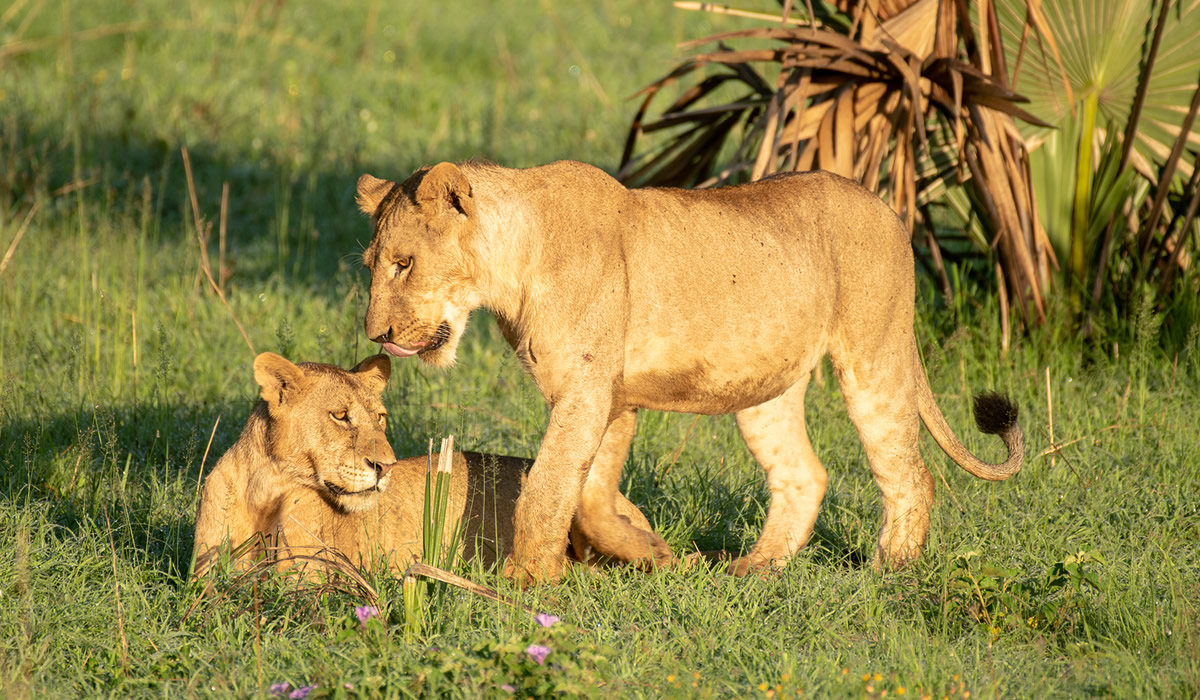
Game drives are the main way to explore the park’s savannah areas, while the Kazinga Channel offers an excellent boat safari experience. The Ishasha sector in the southern part of the park is particularly notable for its tree-climbing lions. UWA itself highlights Ishasha’s tree-climbing lions among Uganda’s iconic wildlife attractions.
Kidepo Valley National Park
For a more remote wilderness experience, Kidepo Valley National Park offers dramatic landscapes and extensive open valleys in north-eastern Uganda. Its distance from the country’s main tourism centres contributes to its sense of remoteness.
A Kidepo Valley safari can include game drives in search of elephants, buffaloes, giraffes, lions, antelopes and other wildlife. The park is also notable for its birdlife and rugged scenery. For you, Kidepo can be an excellent choice if you want to experience a less-developed and more secluded side of Uganda.
Lake Mburo National Park
Lake Mburo is one of the most accessible national parks for a short Uganda safari. Its landscape of rolling hills, woodland, grassland and wetlands provides habitat for zebras, impalas, buffaloes, Uganda kobs and many bird species.
One advantage of Lake Mburo is the variety of activities available. In addition to game drives, you can enjoy boat excursions and guided nature walks. Its location also makes it convenient to include on itineraries travelling between Kampala and western Uganda.
Uganda’s Primate Safari Experiences
Gorilla Trekking in Uganda
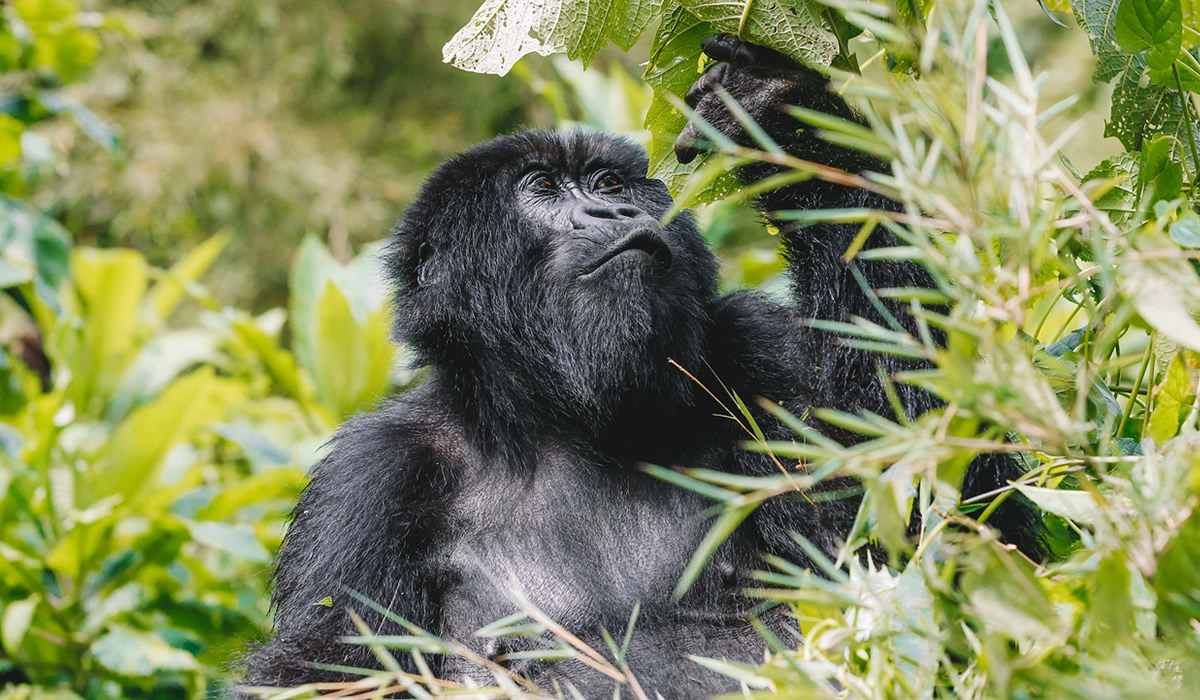
Gorilla trekking in Uganda is among the country’s most sought-after wildlife experiences. It takes place in Bwindi Impenetrable National Park and Mgahinga Gorilla National Park. According to UWA, trekking can take approximately two to seven hours depending on the location of the gorilla group, with one hour of observation once you reach the habituated family.
Bwindi has four principal trekking sectors, Buhoma, Ruhija, Rushaga and Nkuringo. Each offers a different setting within the forest. Gorilla trekking requires preparation because the terrain can be steep and conditions can change quickly. Comfortable hiking clothing, sturdy footwear and appropriate rain protection are useful when preparing for your Uganda gorilla safari.
Chimpanzee Tracking in Kibale
Kibale Forest National Park is one of Uganda’s leading destinations for chimpanzee trekking. The forest supports a remarkable variety of primates, making it a major attraction for anyone interested in wildlife photography and rainforest ecology.
Chimpanzee tracking involves walking through the forest with trained guides while searching for habituated chimpanzee communities. UWA notes that chimpanzees are among Uganda’s closest living relatives and that they spend considerable time foraging for fruit and other plant foods.
You can also consider a chimpanzee habituation experience if you want a longer and more immersive forest experience. Combining Kibale with Queen Elizabeth National Park and Bwindi creates one of the most popular Uganda primate safari routes.
Golden Monkey Tracking
Mgahinga Gorilla National Park provides another fascinating primate experience through golden monkey tracking. These distinctive monkeys inhabit the bamboo and forest zones of the Virunga Mountains.
A golden monkey trek combines wildlife observation with beautiful mountain scenery. It can also be incorporated into a longer Uganda gorilla trekking itinerary, particularly if you want to explore more of the country’s southwestern highlands.
Boat Safaris in Uganda
A boat safari in Uganda provides an opportunity to see wildlife from the water rather than from a safari vehicle. The Kazinga Channel in Queen Elizabeth National Park and the Victoria Nile in Murchison Falls National Park are particularly important locations for boat-based wildlife viewing.
On the Kazinga Channel, you may see hippos gathering in the water, buffaloes along the shoreline and elephants approaching the channel to drink. At Murchison Falls, a Nile boat cruise towards the bottom of the falls combines wildlife viewing with spectacular scenery.
Boat trips are also excellent for birdwatching, particularly if you enjoy photographing waterbirds and other species found around wetlands and rivers.
Birdwatching Safaris in Uganda
Uganda is an outstanding destination for birdwatching safaris. Its combination of forests, wetlands, lakes, rivers, mountains and savannah provides habitats for a remarkable range of bird species.
Murchison Falls is noted by UWA as a good location for a wide variety of birds, including the sought-after shoebill. Bwindi and Mgahinga provide access to Albertine Rift endemic species, while Semuliki National Park is particularly significant for species associated with the Guinea-Congo region.
You do not have to choose between birdwatching and a traditional safari. Birding can easily be incorporated into game drives, forest walks and boat cruises, allowing you to enjoy Uganda’s wildlife at both large and small scales.
Best Time for a Uganda Wildlife Safari
The best time for many Uganda safari tours depends on the activities and destinations you choose. UWA identifies the dry seasons, generally June to August and December to February, as favourable periods for primate tracking and wildlife viewing in savannah reserves.
During drier periods, vegetation can be less dense and animals may gather around reliable water sources, potentially making wildlife easier to locate. However, Uganda remains a year-round destination, and wetter periods can provide greener landscapes and excellent conditions for photography and birdwatching.
For gorilla and chimpanzee trekking, your choice of dates should also take into account forest conditions and permit availability.
Gorilla and Chimpanzee Permits
Gorilla and chimpanzee trekking require advance planning because permits are controlled through Uganda’s conservation system. UWA publishes official information concerning gorilla and chimpanzee permits, including booking, payment, rescheduling and cancellation procedures.
UWA has also advised foreign non-residents to obtain gorilla and chimpanzee tracking permits through tour operators licensed by the Uganda Tourism Board. For this reason, you should work with a reputable safari company when planning a Uganda gorilla trekking safari, particularly if you are travelling internationally.
What to Pack for a Uganda Safari
Your packing list should reflect the different environments you will visit. Lightweight, comfortable clothing is useful for game drives, while long-sleeved shirts and trousers can provide additional protection during forest activities. For gorilla and chimpanzee trekking, sturdy hiking shoes are particularly important.
A waterproof jacket or poncho is useful because tropical forests can receive rain even during generally drier periods. You should also consider a hat, sunglasses, sunscreen, insect repellent, reusable water bottle, binoculars, camera equipment and a small daypack.
If your itinerary includes both savannah and forest activities, packing versatile clothing will make your journey more comfortable.
Responsible and Sustainable Wildlife Tourism
Responsible tourism is an important part of the future of wildlife conservation in Uganda. UWA’s mandate includes conserving and sustainably managing wildlife and protected areas while working with communities and other stakeholders.
When you participate in gorilla or chimpanzee trekking, follow your ranger’s instructions, maintain the required distance from animals and avoid disturbing wildlife. UWA’s published chimpanzee guidelines, for example, require a minimum distance of 10 metres and prohibit chasing or mimicking chimpanzees.
Choosing responsible safari operators, respecting local communities and following park regulations helps ensure that Uganda’s wildlife and natural habitats remain protected for future generations.
Planning Your Uganda Safari with Verdant Safaris
A successful Uganda wildlife safari itinerary should balance wildlife experiences, travel time and relaxation. A shorter safari might concentrate on Queen Elizabeth and Lake Mburo, while a longer itinerary could combine Murchison Falls, Kibale, Queen Elizabeth and Bwindi.
If primates are your main interest, a Uganda gorilla and chimpanzee safari can combine Bwindi with Kibale. If classic African wildlife is your priority, Murchison Falls, Queen Elizabeth, Lake Mburo and Kidepo Valley offer different safari environments and wildlife experiences.
At Verdant Safaris, we can help you create a tailor-made Uganda safari based on your interests, schedule and preferred style of travel. From Uganda wildlife tours and game drives to gorilla trekking, chimpanzee tracking, boat safaris and birdwatching, the Pearl of Africa offers an impressive range of experiences.
With thoughtful planning, your Uganda safari can combine extraordinary wildlife encounters, spectacular landscapes, cultural experiences and meaningful conservation tourism into one unforgettable journey.
Related Posts