
Gorilla trekking in Uganda and Rwanda is one of the most extraordinary wildlife experiences you can enjoy in East Africa. Hidden within the mist-covered forests of the Virunga Mountains and the ancient rainforests of southwestern Uganda, endangered mountain gorillas live in protected habitats where you can observe them in their natural environment. Accompanied by experienced guides and park rangers, you trek through beautiful landscapes in search of habituated gorilla families, eventually spending a precious hour observing their behaviour, social interactions and daily activities. This unforgettable adventure combines wildlife encounters, scenic mountain views, cultural experiences and meaningful conservation efforts.
At Verdant Safaris, we organise memorable Uganda gorilla trekking safaris, Rwanda gorilla trekking tours and combined Uganda and Rwanda gorilla adventures tailored to your interests, travel dates and budget. Whether you prefer a short gorilla trekking holiday, a luxury safari with exclusive accommodation or a longer East African expedition combining primates and wildlife, both countries offer exceptional opportunities. Understanding the differences between the destinations, gorilla trekking permits, accommodation options, travel requirements and the best time to visit will help you plan a rewarding journey.
Where to Go Gorilla Trekking in Uganda
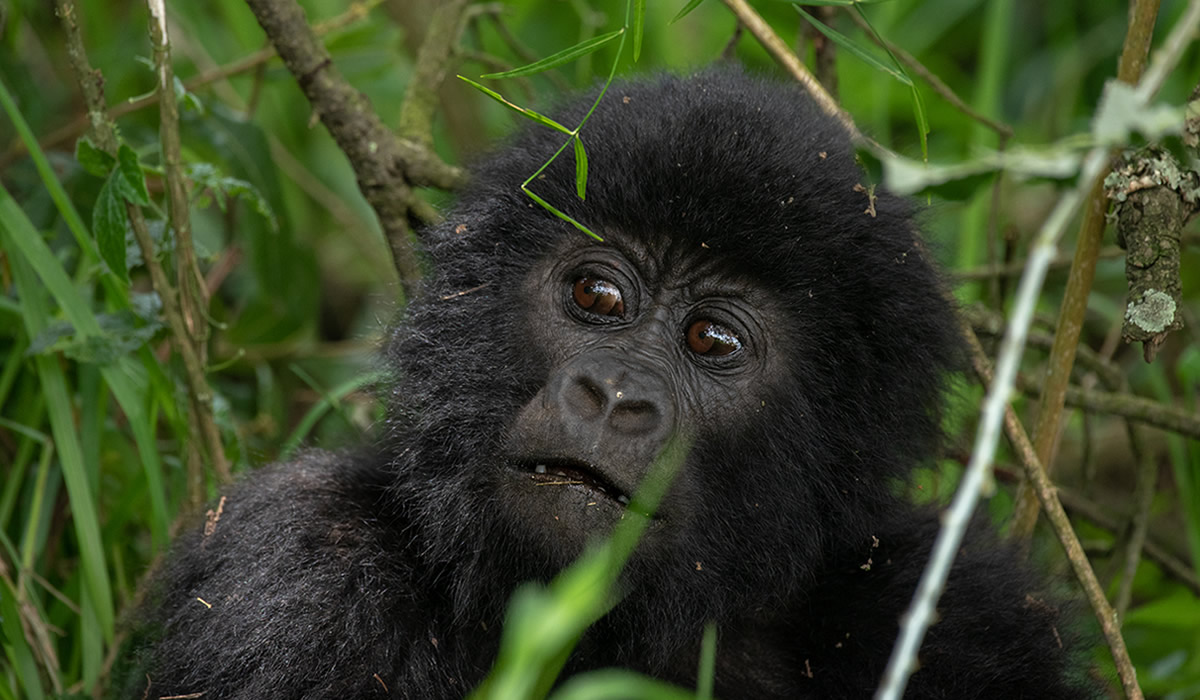
Uganda is one of Africa’s leading destinations for mountain gorilla trekking, offering opportunities to explore ancient forests, encounter endangered primates and discover the country’s remarkable biodiversity. The principal destination is Bwindi Impenetrable National Park, a UNESCO World Heritage Site recognised for its rich biodiversity and exceptional conservation value. Located in southwestern Uganda, Bwindi protects a substantial population of mountain gorillas and is divided into four main trekking sectors: Buhoma, Ruhija, Rushaga and Nkuringo.
Each sector provides access to different habituated gorilla families, with trekking routes varying according to the location of the gorillas and the terrain. Bwindi’s dense vegetation, steep hills, winding forest trails and diverse birdlife make the journey an adventure in its own right. Although the trek can be physically demanding, the experience of observing a mountain gorilla family at close range makes the effort worthwhile. You may see adult gorillas feeding, juveniles playing, mothers caring for their young and dominant silverbacks overseeing their families.
Uganda also offers the gorilla habituation experience in Bwindi’s Rushaga sector. This special activity allows eligible visitors to spend up to four hours with a gorilla group undergoing habituation, subject to the applicable park regulations and permit conditions. It provides a deeper insight into gorilla behaviour and the conservation work involved in preparing gorillas for responsible human observation. Verdant Safaris can help you select the most suitable experience based on your interests, fitness level, available time and budget.
Where to Go Gorilla Trekking in Rwanda
Rwanda is another outstanding destination for mountain gorilla trekking, particularly for visitors seeking a well-organised safari with convenient access from the capital, Kigali. Gorilla trekking takes place in Volcanoes National Park, situated in the north-western part of the country within the magnificent Virunga volcanic mountain range. The park features bamboo forests, montane vegetation, volcanic slopes and misty landscapes that create a dramatic setting for encountering mountain gorillas.
Volcanoes National Park is home to several habituated gorilla families that visitors can track with authorised guides and park rangers. Each morning, trekking groups receive briefings before entering the forest to locate their assigned gorilla family. Depending on the location of the gorillas, the trek may take a relatively short time or require several hours of hiking through steep and sometimes muddy terrain. Once you find the gorillas, you are generally allowed one hour to observe them, following strict guidelines designed to protect both people and wildlife.
Rwanda is particularly attractive if you have limited time for a gorilla trekking holiday. The drive from Kigali to Volcanoes National Park typically takes around two to three hours, depending on road conditions and the exact starting point. This makes it possible to combine gorilla trekking with a Kigali city tour, visits to cultural attractions, golden monkey tracking or a relaxing stay around Lake Kivu. Verdant Safaris can arrange a Rwanda gorilla trekking package that combines convenient transport, accommodation, permits and guided activities.
Uganda vs Rwanda: Which Destination Should You Choose?
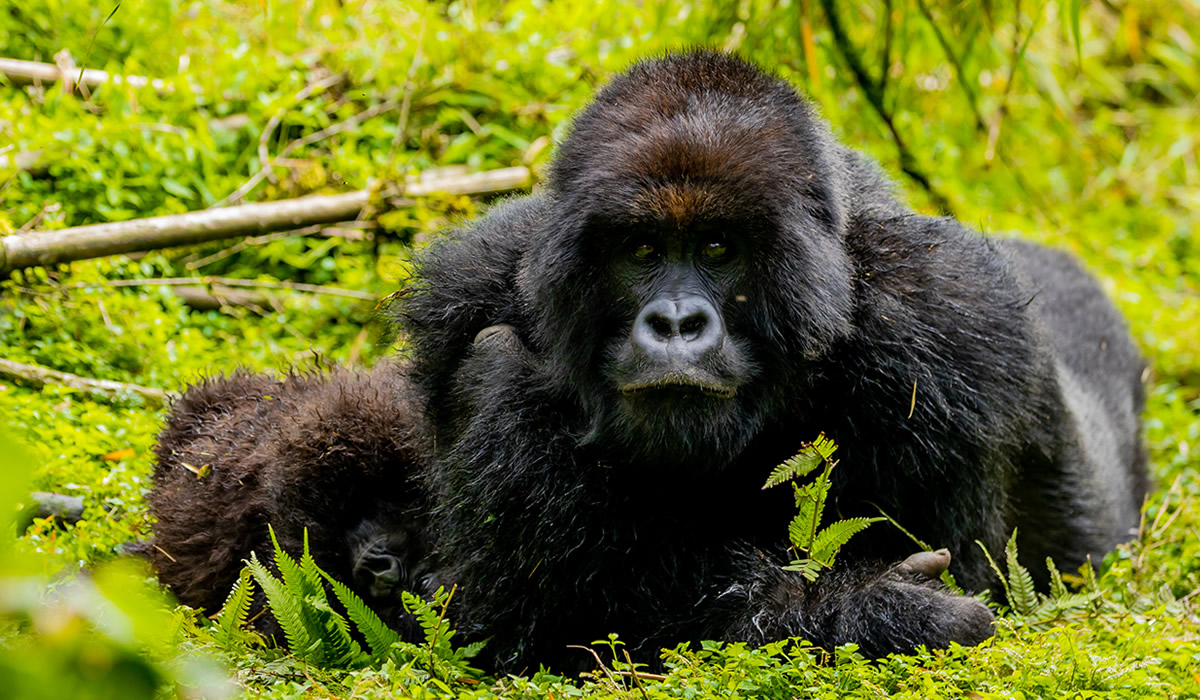
Choosing between Uganda and Rwanda depends on your budget, travel schedule, preferred trekking experience and wider safari interests. Both countries protect endangered mountain gorillas and provide regulated encounters with habituated families, but they offer different travel experiences.
Uganda is often attractive to visitors seeking a wider range of wildlife activities and accommodation prices. In addition to gorilla trekking in Bwindi, you can explore Kibale National Park for chimpanzee tracking, Queen Elizabeth National Park for wildlife viewing and boat cruises, or Murchison Falls National Park for spectacular scenery and game drives. Uganda also offers the gorilla habituation experience, making it especially appealing if you want to spend more time learning about gorilla behaviour and conservation.
Rwanda is an excellent choice if you value shorter road transfers from the international airport and want to combine gorilla trekking with other activities within a compact itinerary. Volcanoes National Park can be combined with golden monkey tracking, cultural visits and Lake Kivu. Rwanda also offers luxury lodges and high-end safari services for visitors seeking an exclusive experience.
The cost of gorilla trekking differs between the two countries, particularly because permit prices and package arrangements vary. You should compare the full cost of your safari, including permits, accommodation, transport, meals and additional activities, rather than basing your decision on the permit price alone. Verdant Safaris can help you compare both destinations and choose the option that best matches your priorities.
Gorilla Trekking Permits and Booking Requirements
A gorilla trekking permit is essential for participating in a mountain gorilla trek in either Uganda or Rwanda. Permits are limited to help manage visitor numbers, minimise disturbance and support conservation programmes. Demand can be particularly high during popular holiday periods, so booking well in advance is advisable.
Uganda’s permits are issued through the Uganda Wildlife Authority, while Rwanda’s permits are managed by the Rwanda Development Board. Permit prices can change, and different rates or conditions may apply to standard gorilla trekking, gorilla habituation and specific visitor categories. You should confirm the current price, eligibility requirements and availability before making your travel arrangements.
When booking with Verdant Safaris, you can receive assistance with permit arrangements, accommodation reservations, transport planning and the coordination of your itinerary. It is important to provide your intended travel dates early because accommodation availability and permit availability need to be considered together. You should also ensure that the identification documents required for your booking and park registration are valid and available.
Best Time for Gorilla Trekking in Uganda and Rwanda
Gorilla trekking in Uganda and Rwanda is available throughout the year, as mountain gorillas remain in their natural habitats regardless of the season. However, weather conditions can influence the difficulty of hiking, the state of forest trails and the overall comfort of your safari.
The relatively drier periods, generally from June to September and December to February, are often favoured for gorilla trekking. During these months, trails may be less muddy, and hiking conditions can be more manageable. These periods are also popular for wildlife safaris across East Africa, so booking permits and accommodation early is recommended.
The wetter months, commonly occurring around March to May and October to November, bring heavier rainfall to many parts of the region. Forest trails can become slippery, and steep sections may require extra care. Nevertheless, wet-season trekking can still be rewarding, with lush vegetation and beautiful forest scenery. Gorilla trekking conditions vary locally, so rain is possible even during the drier months.
The best time for your trip ultimately depends on your schedule, budget and preferred activities. Verdant Safaris can help you choose suitable dates and prepare for the prevailing conditions.
What to Expect During a Gorilla Trekking Experience
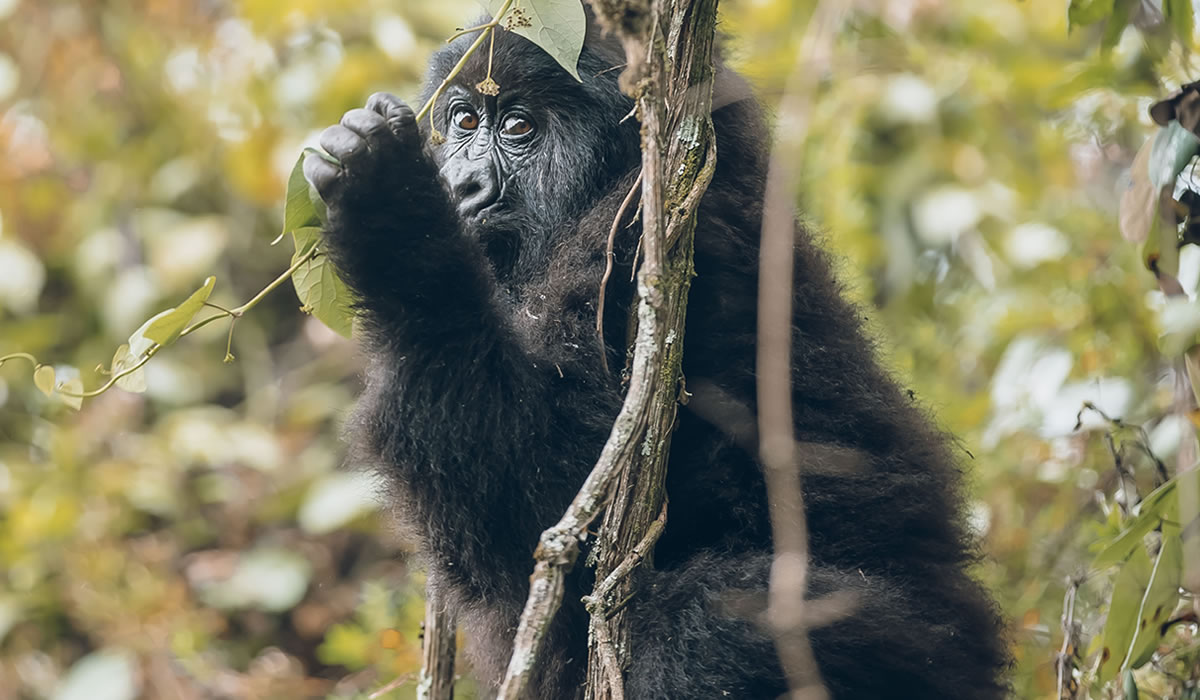
Your gorilla trekking adventure normally begins early in the morning with breakfast and a transfer to the designated park headquarters. After registration, park officials provide a briefing on safety procedures, trekking etiquette and the rules for observing mountain gorillas. You are then assigned to a gorilla family and accompanied by trained guides and rangers into the forest.
The length and difficulty of the trek depend on where the gorillas are located that day. You may walk along established trails, cross uneven ground, climb steep slopes or move through thick vegetation. Porters are often available for hire to carry your daypack and assist you on challenging sections, while a walking stick can provide additional stability.
When your group reaches the gorilla family, the guide explains how to approach and observe the animals responsibly. You can watch the gorillas feeding, grooming, resting and interacting with one another, while taking photographs without flash. The standard viewing period is one hour, although the separate gorilla habituation experience in Uganda has different conditions.
Visitors must follow all instructions from park personnel, maintain the required distance from the gorillas and avoid sudden movements or loud noises. If you feel unwell, particularly with symptoms of a potentially infectious respiratory illness, you should inform the park authorities and follow their guidance. These precautions help protect gorillas, which are vulnerable to some human diseases.
What to Pack for a Gorilla Trekking Safari
Packing suitable clothing and equipment can make your gorilla trekking experience more comfortable. Lightweight, long-sleeved shirts and long trousers help protect your skin from vegetation and insects. Sturdy, waterproof hiking boots with good grip are essential for navigating muddy paths and uneven terrain.
A waterproof jacket is useful because rain can occur at any time in the mountain forests. Gardening gloves can protect your hands when holding vegetation for balance, while gaiters or long socks can help reduce exposure to mud and insects. Carry drinking water, energy-giving snacks where permitted, sunscreen, insect repellent and a small daypack for personal essentials.
You should also bring a camera or mobile phone with sufficient battery power, but remember to switch off the flash when photographing gorillas. A walking stick and the services of a porter can be valuable on steep trails. Pack clothing suitable for cool mornings and changing mountain weather, and keep your essential documents and valuables secure.
Accommodation Options for Gorilla Trekking
Uganda and Rwanda offer accommodation ranging from affordable guesthouses and comfortable lodges to high-end forest retreats. Your choice of accommodation can influence the overall cost of your safari, travel time to the trekking headquarters and the comfort of your stay.
In Uganda, you can find accommodation around Buhoma, Ruhija, Rushaga and Nkuringo, allowing you to stay close to your assigned trekking sector. Options include budget lodges, mid-range safari properties and luxury retreats overlooking the forest or surrounding hills. It is important to choose accommodation that matches your permit sector, particularly when trekking begins early in the morning.
In Rwanda, accommodation is concentrated around Musanze and the areas surrounding Volcanoes National Park. You can choose from guesthouses, mid-range lodges and luxury safari lodges with mountain views, guided excursions and personalised services. Booking the right property can help reduce early-morning transfer times and make your experience more relaxing.
Verdant Safaris can recommend suitable accommodation according to your budget, comfort preferences and itinerary, while coordinating your lodging with your gorilla trekking permit and transport arrangements.
Combining Gorilla Trekking with Other East African Experiences
A gorilla trekking safari can become even more rewarding when combined with other wildlife and cultural activities. In Uganda, you can add chimpanzee tracking in Kibale National Park, wildlife viewing in Queen Elizabeth National Park, a boat cruise along the Kazinga Channel or a visit to Lake Bunyonyi. Cultural experiences with local communities can also provide valuable insights into the traditions and livelihoods of people living near conservation areas.
In Rwanda, you can combine gorilla trekking with golden monkey tracking in Volcanoes National Park, a Kigali city tour, visits to cultural attractions or time beside Lake Kivu. If you have additional days, a safari in Akagera National Park offers opportunities to see a variety of savannah wildlife, including elephants, giraffes, lions and other species.
A combined Uganda and Rwanda gorilla trekking safari is another excellent option if you want to experience both destinations in one holiday. Depending on your route and available time, the itinerary can include mountain gorilla trekking in Bwindi and Volcanoes National Park, chimpanzee tracking, wildlife viewing and cultural encounters. Cross-border travel requires appropriate documentation and careful logistical planning, which Verdant Safaris can help organise.
Responsible Gorilla Tourism and Conservation
Mountain gorillas remain endangered, and their survival depends on continued habitat protection, veterinary care, community involvement and responsible tourism. Gorilla trekking permits contribute to the management of protected areas and support conservation efforts, while tourism creates employment and income opportunities for people living around national parks.
Responsible gorilla trekking means following park rules, maintaining the prescribed distance, respecting the one-hour viewing limit for standard treks and never feeding or touching wild gorillas. You should avoid littering, keep noise to a minimum and follow your guide’s instructions throughout the experience. If you have symptoms of an infectious illness, notify the relevant authorities before joining a trek.
By choosing responsible operators and respecting wildlife regulations, you help support conservation programmes that protect mountain gorillas and their habitats for future generations.
Book Your Gorilla Trekking Safari with Verdant Safaris
Gorilla trekking in Uganda and Rwanda offers an exceptional opportunity to connect with nature and witness one of the world’s most remarkable primates in the wild. Whether you choose Bwindi Impenetrable National Park, Volcanoes National Park or a combined Uganda and Rwanda gorilla trekking safari, careful planning will help you make the most of your adventure.
Verdant Safaris can tailor your journey around your budget, preferred travel dates, accommodation requirements and additional wildlife or cultural experiences. From arranging gorilla trekking permits and comfortable accommodation to organising professional guides and reliable transport, we aim to make your safari smooth, rewarding and memorable.
Contact Verdant Safaris to start planning your Uganda or Rwanda gorilla trekking holiday and experience the beauty of East Africa’s mountain forests, wildlife and cultural heritage.