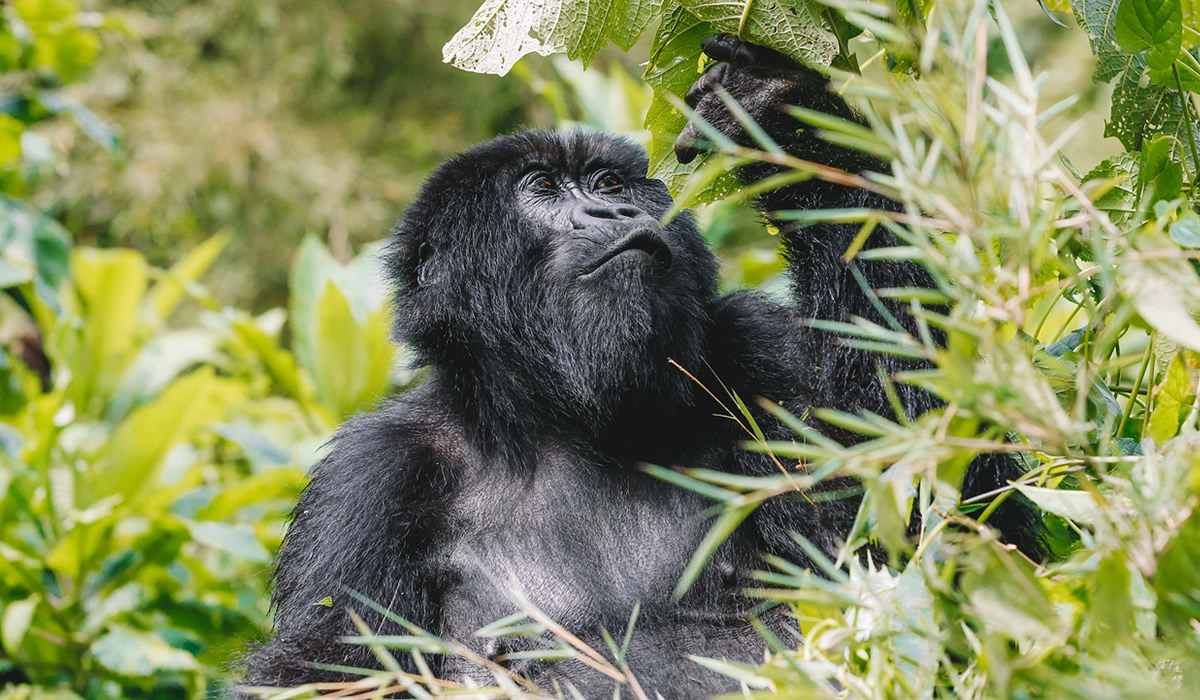
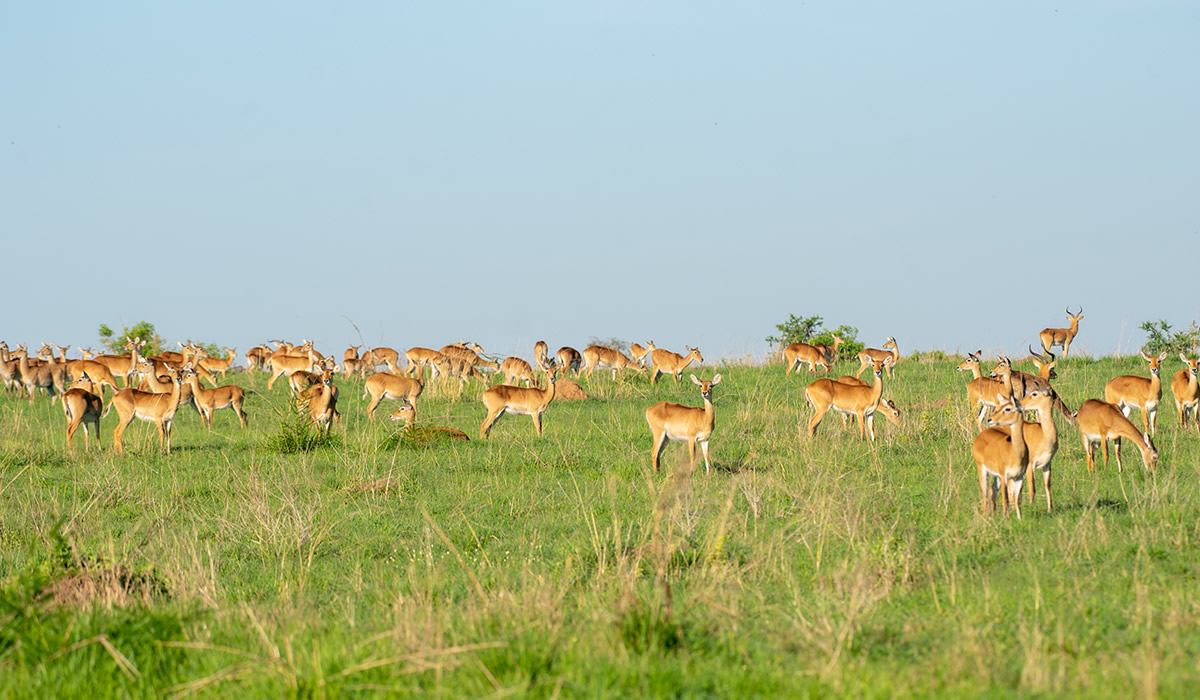
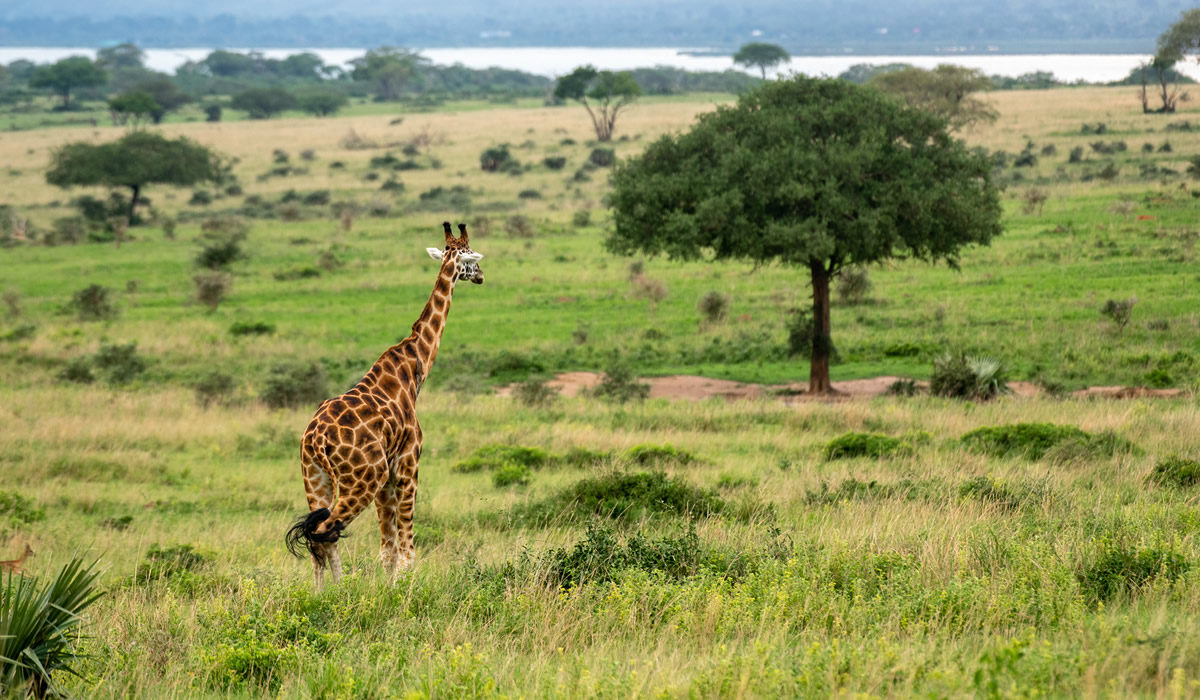
Rwanda is increasingly recognised as one of Africa's most diverse safari destinations, offering far more…
Travel Guide to Uganda Gorilla Trekking Tours
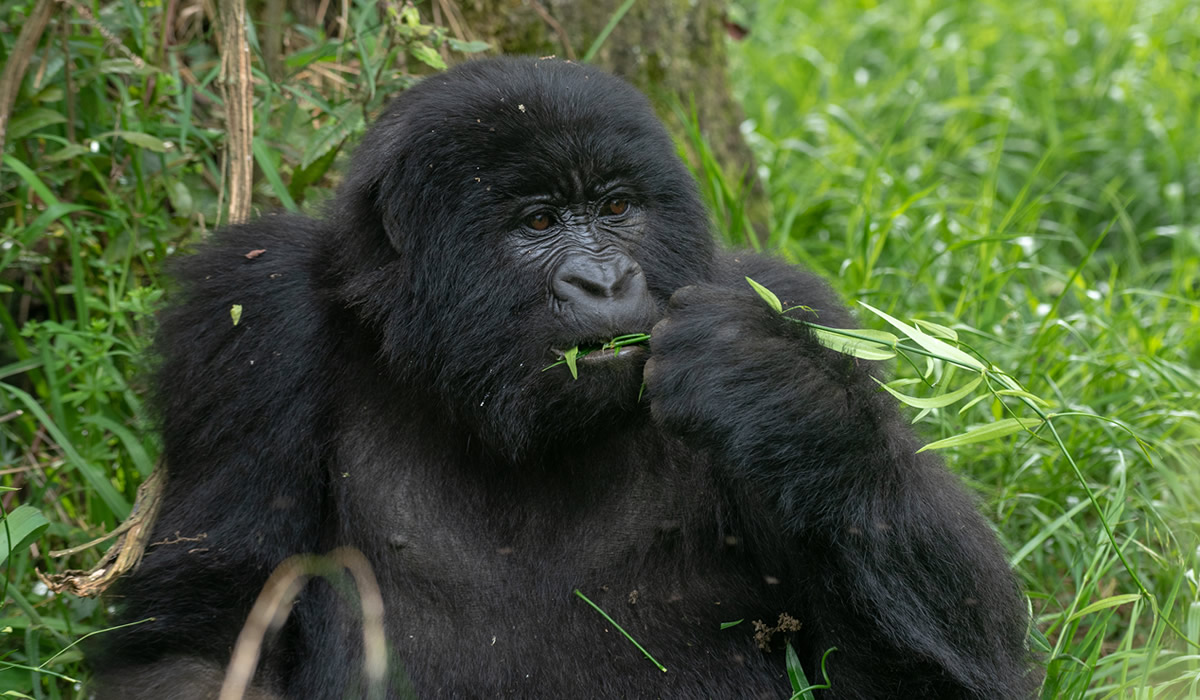
Uganda is one of Africa’s most remarkable destinations for gorilla trekking, offering you the opportunity to encounter endangered mountain gorillas in the misty forests of south-western Uganda. A Uganda gorilla trekking tour combines wildlife, rainforest adventure, spectacular mountain scenery and meaningful conservation experiences. The country’s mountain gorillas are found in Bwindi Impenetrable National Park and Mgahinga Gorilla National Park, both managed by the Uganda Wildlife Authority (UWA). UWA states that Uganda has more than half of the world’s mountain gorilla population.
For you, planning a successful gorilla trekking safari in Uganda involves more than simply booking a permit. You need to choose the right trekking destination, understand the permit requirements, prepare for forest conditions and select suitable accommodation and transport. This guide from Verdant Safaris explains everything you need to know before embarking on a Uganda gorilla trekking adventure.
Why Choose Uganda for Gorilla Trekking?
Uganda offers a distinctive gorilla trekking experience because you can combine your time with the mountain gorillas with a wider safari across the country. A longer itinerary can include chimpanzee tracking in Kibale Forest, game drives in Queen Elizabeth National Park, boat cruises on the Kazinga Channel and gorilla trekking in Bwindi.
Bwindi is particularly important for mountain gorilla conservation and is a UNESCO World Heritage Site. Uganda Tourism Board describes gorilla trekking in Bwindi as a flagship tourism experience, while UWA identifies Bwindi and Mgahinga as Uganda’s two mountain gorilla destinations.
The experience is also highly immersive. Rather than viewing gorillas from a vehicle, you walk through a tropical montane forest accompanied by trained guides and trackers. The trek itself becomes part of the adventure, as you navigate forest trails and varied terrain before locating your assigned gorilla family.
Where Can You Go Gorilla Trekking in Uganda?
Bwindi Impenetrable National Park
Bwindi Impenetrable National Park is Uganda’s most established gorilla trekking destination. The forest is situated in south-western Uganda and contains a network of trekking areas with different trailheads and habituated gorilla groups.
UWA identifies four main trekking sectors in Bwindi: Buhoma, Ruhija, Rushaga and Nkuringo. Each sector has its own character, accommodation options and access routes, so selecting the appropriate sector is important when planning your Uganda gorilla safari.
Bwindi is also an excellent destination if you want to combine gorilla trekking with birdwatching, forest walks and cultural experiences. Its location makes it possible to build a broader western Uganda itinerary around the gorilla experience.
Mgahinga Gorilla National Park
Mgahinga Gorilla National Park is located within the spectacular Virunga Mountains in south-western Uganda. The park provides another opportunity for mountain gorilla trekking in Uganda, while its volcanic landscapes make the journey particularly scenic.
UWA notes that Mgahinga offers an alternative to the denser forests of Bwindi and issues a limited number of gorilla trekking permits. The park is also known for golden monkey tracking and volcano hiking, making it a suitable choice if you want to combine primate encounters with mountain adventure.
What Happens During a Gorilla Trek?
Your Uganda gorilla trekking experience normally begins with an early morning briefing at the park headquarters. You receive information about the trekking procedures, safety requirements and gorilla viewing guidelines before entering the forest.
You then begin walking with your guide and trackers. The duration varies considerably because the gorillas move through their natural habitat rather than remaining in a fixed location. UWA states that gorilla treks can take approximately two to seven hours, depending on the location of the gorilla family, with one hour allocated for observation once you reach the habituated group.
The forest itself is an important part of the experience. You may encounter birds, monkeys, butterflies and other forest species while following the trails. When you eventually locate your gorilla family, you can spend the permitted viewing period observing their natural behaviour under the guidance of the ranger team.
Understanding Gorilla Trekking Permits
A gorilla trekking permit is one of the most important requirements for your Uganda gorilla safari. Permits are issued through the Uganda Wildlife Authority, and availability needs to be confirmed before you finalise your travel arrangements.
UWA’s current guidelines state that foreign non-resident gorilla tracking permits are sold through tour operators licensed by the Uganda Tourism Board. UWA also advises that you should receive an official proforma invoice confirming your reservation before making payment.
Because permit availability is limited, it is advisable to arrange your trek well ahead of your intended travel date, particularly if you have specific dates or a preferred trekking sector. Your safari company can assist with checking availability, coordinating the permit reservation and incorporating the trekking date into your wider itinerary.
How Difficult Is Gorilla Trekking?
Gorilla trekking in Uganda requires a reasonable level of physical fitness because you will be walking through a natural forest environment that can include steep slopes, muddy paths, dense vegetation and uneven ground. UWA recommends moderate fitness for the activity.
The exact difficulty cannot be predicted in advance because the gorilla family may move to different locations. Some treks are relatively short, while others require several hours of walking. Your guide and trackers determine the route and help you navigate the forest.
If you have concerns about your ability to complete a particular trek, discuss them with your safari operator before booking. The information you provide can help your operator plan an itinerary that is appropriate for your circumstances.
What Should You Pack for Gorilla Trekking?
Your packing list should focus on comfort, protection and practicality. Sturdy waterproof hiking boots are particularly useful because forest trails can become muddy and slippery. Long trousers and long-sleeved shirts can protect your skin from vegetation and insects, while a waterproof jacket or poncho is useful because rain can occur in the forest.
You should also carry a small backpack containing drinking water, snacks, sunscreen, insect repellent and any personal essentials you require during the trek. Gardening-style gloves can be useful when moving through dense vegetation, while walking poles may provide additional support on steep or slippery sections.
A camera with spare batteries or a charged power bank can help you capture the experience, although you should always follow the ranger’s instructions concerning photography and gorilla behaviour.
Best Time for Gorilla Trekking in Uganda
Uganda’s gorilla trekking destinations can be visited throughout the year. The forest environment remains green and humid, and rain can occur even during traditionally drier periods.
Many people choose the relatively drier months because forest trails may be more manageable, although weather conditions can change quickly. Wetter periods can also provide beautiful green scenery and excellent photographic conditions.
Rather than choosing your travel dates based solely on weather, consider permit availability, your wider safari itinerary and the other activities you want to include. A knowledgeable Uganda safari company can help you plan the route around your priorities.
Gorilla Trekking Rules and Responsible Tourism
Gorilla trekking is carefully managed to protect both the gorillas and you. Following the instructions of your ranger is essential throughout the experience. UWA’s published guidelines establish procedures for gorilla and chimpanzee tracking and are designed to support responsible wildlife tourism.
You should avoid attempting to attract the gorillas’ attention, touching them or behaving in ways that disturb their natural behaviour. Maintaining the required distance and following instructions about photography are also important.
Responsible tourism extends beyond the forest. Choosing a licensed safari operator, respecting local communities and purchasing locally made products where appropriate can help tourism contribute to the wider economy surrounding Uganda’s protected areas.
Combining Gorilla Trekking with a Uganda Safari
One of the greatest advantages of booking a Uganda gorilla trekking tour is the opportunity to combine it with other wildlife experiences. Kibale National Park is ideal for chimpanzee tracking, while Queen Elizabeth National Park offers game drives and the famous Kazinga Channel boat cruise.
A popular itinerary can begin in Entebbe or Kampala before travelling towards Kibale for chimpanzee tracking. You can then continue to Queen Elizabeth National Park for game drives and a boat safari before heading to Bwindi for gorilla trekking.
For a longer journey, you can add Lake Mburo National Park, Murchison Falls National Park or other destinations. This allows you to experience both Uganda’s rainforest wildlife and its classic savannah safari landscapes.
Where to Stay During Your Gorilla Safari
Accommodation around Bwindi and Mgahinga ranges from comfortable budget and mid-range lodges to high-end properties. Your choice should take into account the trekking sector, transport arrangements, preferred comfort level and overall safari budget.
Staying close to your chosen trailhead is particularly useful because gorilla trekking normally starts early in the morning. Your safari operator can recommend accommodation based on the specific gorilla family and trekking sector assigned to your itinerary.
At Verdant Safaris, accommodation can be incorporated into a complete package that also covers transport, meals, park activities and other destinations included in your Uganda safari itinerary.
Why Book Your Uganda Gorilla Safari with Verdant Safaris?
Planning a gorilla trekking holiday in Uganda requires careful coordination because permits, accommodation, transport and trekking locations all need to work together. Working with an experienced safari company can make the process considerably more straightforward.
Verdant Safaris can help you plan a tailor-made Uganda gorilla trekking itinerary based on your available time, interests and preferred accommodation standard. Your journey can focus entirely on gorilla trekking or combine the experience with chimpanzee tracking, wildlife game drives, boat safaris, birdwatching and cultural encounters.
Uganda offers you a rare opportunity to experience mountain gorillas within their natural forest environment while exploring one of Africa’s most diverse safari destinations. From the misty hills of Bwindi and the volcanic landscapes of Mgahinga to the savannah plains of Queen Elizabeth and the forests of Kibale, a well-planned Uganda gorilla safari can become an unforgettable journey through the Pearl of Africa.
With Verdant Safaris, you can combine gorilla trekking with carefully selected wildlife and cultural experiences to create a personalised safari that makes the most of your time in Uganda.
Related Posts