Rwanda is increasingly recognised as one of Africa's most diverse safari destinations, offering far more…
Why Queen Elizabeth National Park is a Popular Travel Destination
Queen Elizabeth National Park is one of Uganda’s most celebrated wildlife destinations, offering an exceptional combination of savannah landscapes, abundant wildlife, dramatic scenery, forests, crater lakes and the famous Kazinga Channel. Located in western Uganda, the park covers approximately 1,978 square kilometres and lies against the spectacular backdrop of the Rwenzori Mountains. It is home to around 95 mammal species and more than 600 bird species, making it an important destination for a Uganda wildlife safari.
For you, visiting Queen Elizabeth National Park means experiencing several different aspects of Uganda in one destination. You can enjoy game drives across the Kasenyi Plains, take a boat cruise along the Kazinga Channel, search for chimpanzees in Kyambura Gorge, explore crater lakes and visit the Ishasha sector, famous for its tree-climbing lions. This remarkable variety is one of the main reasons Queen Elizabeth National Park continues to feature prominently in Uganda safari itineraries.
A Diverse Wildlife Destination in Uganda
One of the biggest reasons Queen Elizabeth National Park is popular is its remarkable biodiversity. The park’s different habitats, including open savannah, woodland, wetlands, forests, lakes and riverine environments, provide suitable conditions for a wide range of wildlife.
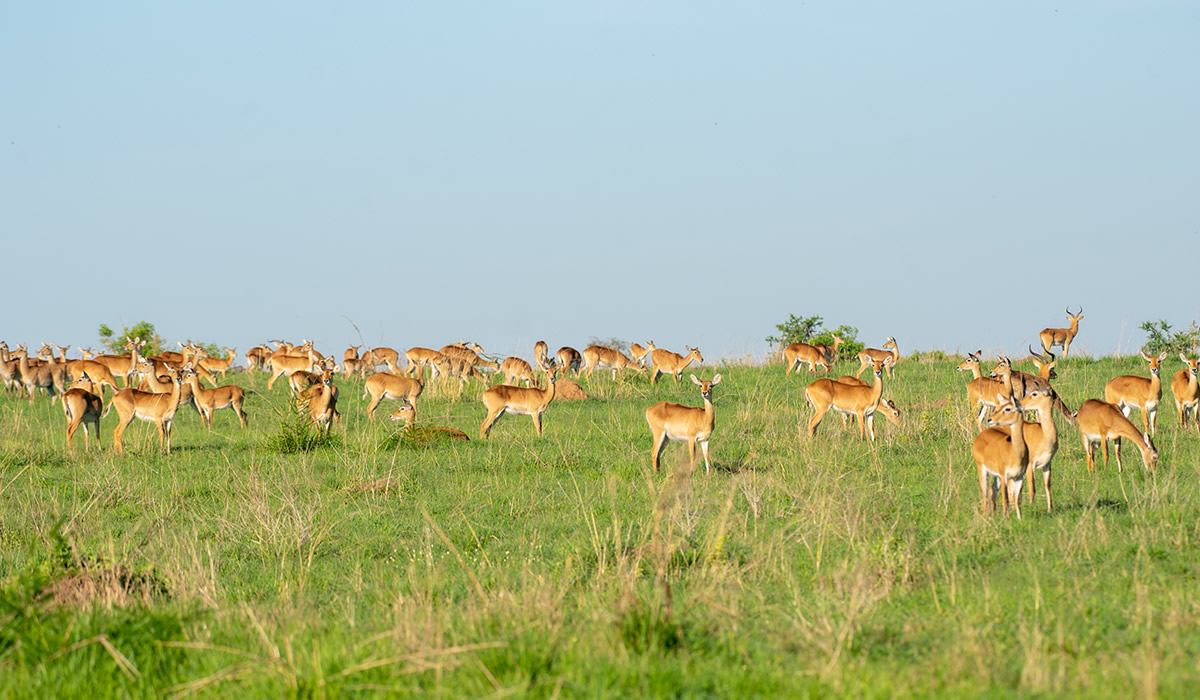
During a game drive, you may encounter elephants, buffaloes, Uganda kobs, waterbucks, warthogs and other antelope species. The park also supports predators such as lions, leopards and spotted hyenas. Uganda Wildlife Authority identifies Queen Elizabeth National Park as an important wildlife destination and highlights its combination of wildlife, landscapes and cultural heritage.
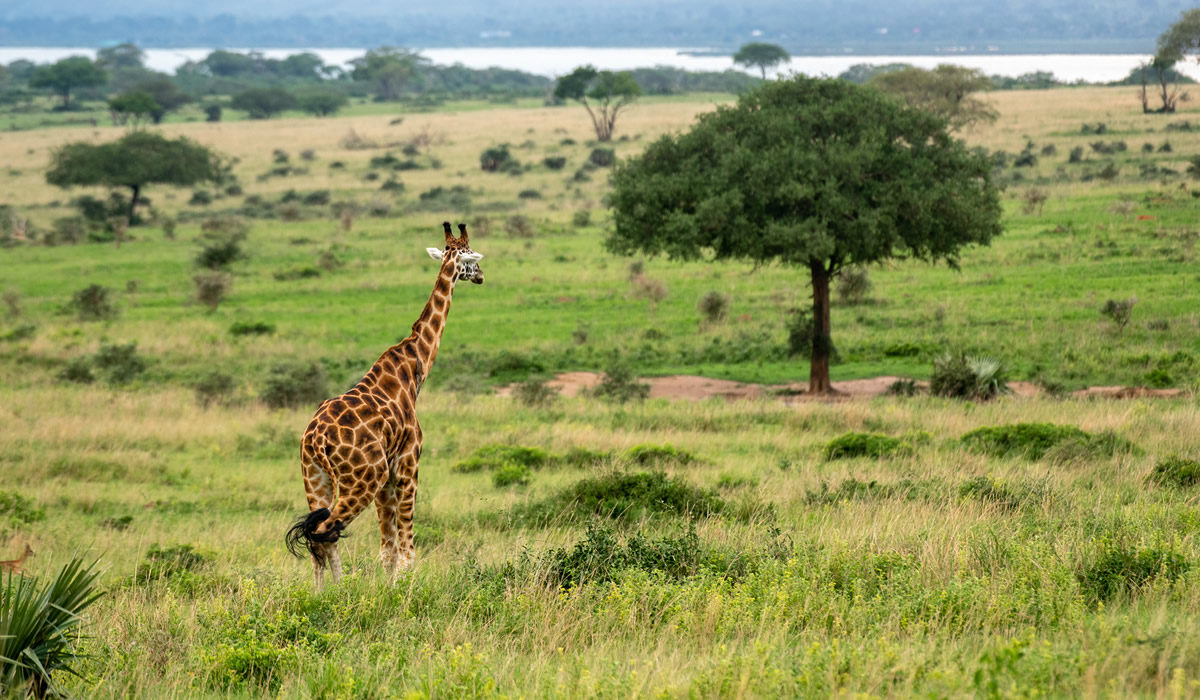
This diversity means that your safari experience can change considerably from one area of the park to another. An early morning drive across the savannah may produce sightings of grazing antelope and elephants, while an afternoon excursion near the water may reveal hippos, buffaloes and numerous waterbirds.
The Famous Tree-Climbing Lions of Ishasha
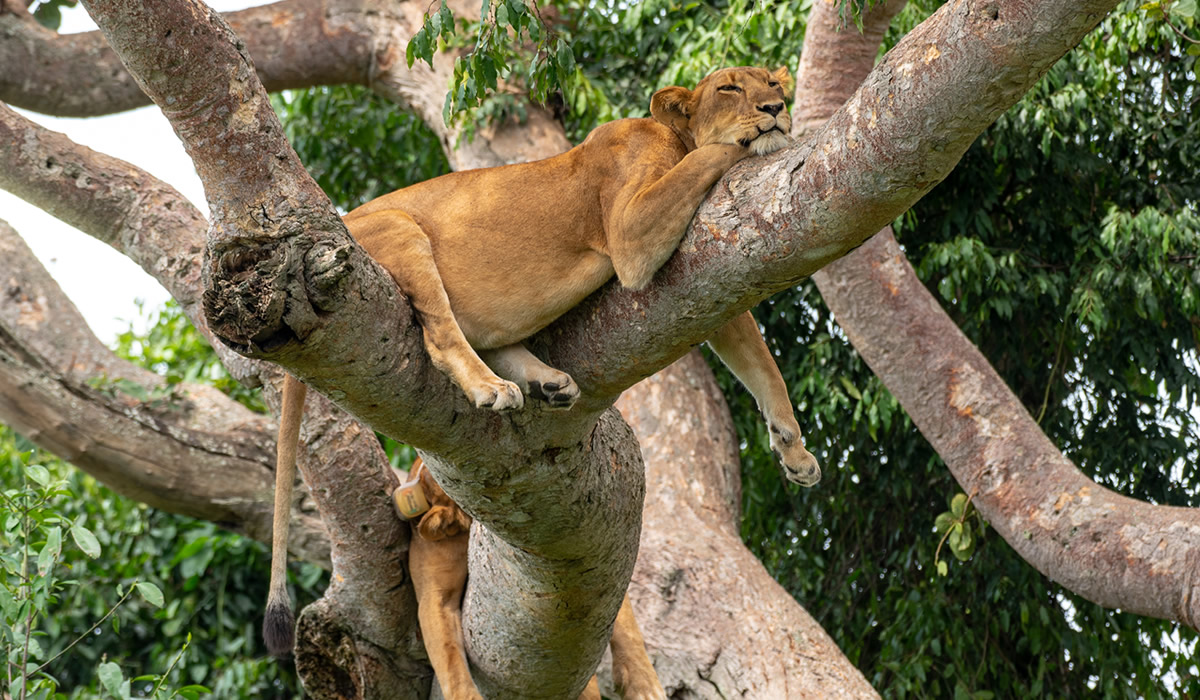
The Ishasha sector is one of the most distinctive attractions within Queen Elizabeth National Park. It is particularly famous for lions that climb and rest in trees, a behaviour for which the area has become internationally recognised.
The lions are often associated with large fig trees, where they can rest on low branches while overlooking the surrounding savannah. Uganda Wildlife Authority identifies the tree-climbing lions as one of the notable attractions of Ishasha.
Ishasha also has a more remote wilderness character than some other parts of the park. Its riverine woodland and extensive grassland support wildlife and bird species, making the area an interesting addition to a longer Uganda safari tour.
When planning a safari that includes Ishasha, it is important to allow sufficient time for exploration because wildlife sightings are naturally unpredictable. The presence of the tree-climbing lions is never guaranteed on a particular drive, but the sector itself offers a distinctive wilderness experience.
The Kazinga Channel Boat Cruise
The Kazinga Channel is another major reason why Queen Elizabeth National Park is such a popular destination. The channel connects Lake Edward and Lake George and provides an exceptional setting for wildlife viewing.
A Kazinga Channel boat cruise allows you to observe wildlife from the water rather than from a safari vehicle. Hippos are frequently associated with the channel, while elephants, buffaloes and other animals can often be seen near the shoreline. The surrounding wetlands also attract a wide variety of waterbirds.
The boat cruise provides a different perspective of the park and complements traditional game drives. Instead of travelling through the savannah, you move along the water while wildlife gathers along the banks. It is also an excellent opportunity for photography because the channel creates a natural setting for capturing animals, birds and the surrounding landscape.
For many visitors, the combination of a game drive and Kazinga Channel boat cruise makes a Queen Elizabeth National Park safari particularly varied.
Excellent Bird Watching Opportunities
Queen Elizabeth National Park is also an important destination for bird watching in Uganda. Uganda Wildlife Authority records more than 600 bird species within the park, making it an attractive destination for both dedicated birders and anyone who enjoys observing wildlife.
The park’s diverse habitats are central to its birding appeal. Savannah areas, forests, wetlands, lakes and the Kazinga Channel provide different environments for bird species. Depending on the area and season, you may encounter African fish eagles, kingfishers, herons, storks, bee-eaters and other species.
Bird watching can be incorporated into game drives, boat cruises and selected nature activities. If birding is a priority for you, Verdant Safaris can design your itinerary to allow additional time for observation and photography.
Chimpanzee Tracking in Kyambura Gorge
Queen Elizabeth National Park is not only about large mammals. The destination also provides opportunities for chimpanzee tracking in Uganda, particularly in Kyambura Gorge.
Kyambura Gorge is a forest-filled landscape within the wider Queen Elizabeth ecosystem. Guided chimpanzee tracking takes you into the forest environment in search of habituated chimpanzees, while the surrounding vegetation provides opportunities to observe other primates and bird species. Uganda Wildlife Authority identifies Kyambura Gorge as one of the park’s important attractions.
The experience complements the traditional savannah safari. After spending time looking for elephants, lions and antelopes on the plains, you can enter a completely different environment where the focus shifts towards primates, forest ecology and birdlife.
For you, this combination makes Queen Elizabeth National Park particularly useful when planning a multi-experience Uganda itinerary.
Spectacular Landscapes and the Rwenzori Mountains
The wildlife is only part of Queen Elizabeth National Park’s appeal. The scenery is equally important. The park lies in the Albertine Rift and includes open plains, crater lakes, forests, wetlands and the waters of Lakes Edward and George.
On clear days, the Rwenzori Mountains provide a dramatic backdrop to sections of the park. These mountains, often associated with their distinctive high-altitude landscape, create impressive scenery when viewed from the surrounding plains.
The crater lakes are another fascinating feature. The Katwe area, in particular, offers opportunities to appreciate the geological character of the region. Combining wildlife viewing with scenic exploration gives your Uganda safari holiday considerably more variety than a safari focused only on game drives.
The Equator Experience
Another interesting feature of Queen Elizabeth National Park is its location along the Equator. The Equator crosses the park, and there are monuments marking the approximate location where latitude 00 passes through the area.
This makes the park particularly attractive for you if you want to combine wildlife experiences with a geographical landmark. An Equator stop can be incorporated into an itinerary alongside game drives and other activities, providing an opportunity for photographs and a short educational experience about the Earth’s hemispheres.
Cultural Experiences Around the Park
A visit to Queen Elizabeth National Park can also include cultural experiences involving communities around the protected area. The region is home to communities with distinctive traditions, crafts, music and cultural practices.
Cultural activities can provide insight into the relationship between local communities and the surrounding wildlife landscape. Uganda Wildlife Authority highlights community conservation and sustainable development as important parts of its wider conservation approach.
For you, including a community experience can add a human dimension to your Uganda wildlife tour, allowing your safari to extend beyond wildlife viewing and introduce you to the people and communities connected to the region.
A Convenient Destination for a Uganda Safari
Queen Elizabeth National Park is also popular because it can be incorporated into several different Uganda safari routes. Uganda Wildlife Authority places the park approximately 410 kilometres west of Kampala, with road access generally taking around seven to eight hours, depending on conditions and the exact route. The park can also be reached by air through nearby airstrips serving areas such as Kasese, Mweya and Kihihi for the Ishasha sector.
Its location makes it possible to combine Queen Elizabeth with destinations such as Kibale National Park, Bwindi Impenetrable National Park, Lake Mburo National Park and Murchison Falls National Park.
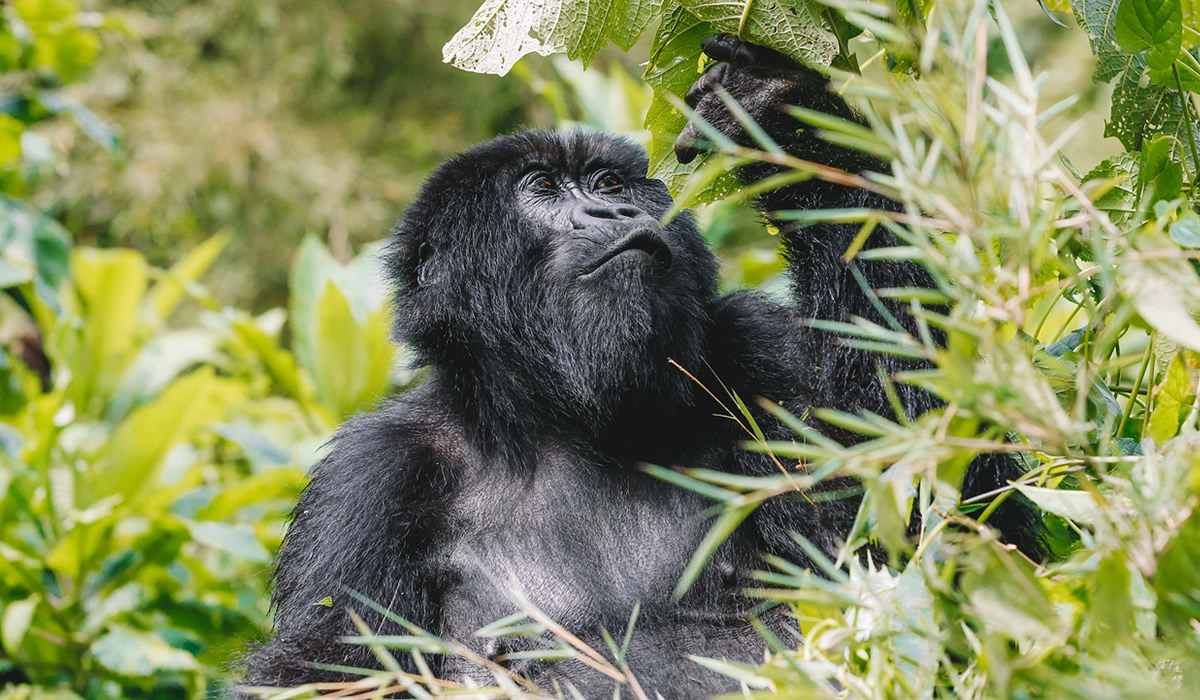
A longer itinerary can therefore combine classic wildlife viewing with chimpanzee tracking and gorilla trekking, depending on the route and activities selected.
Accommodation and Safari Experiences
Queen Elizabeth National Park offers accommodation options suited to different safari budgets and travel preferences. Areas around Mweya, the Kazinga Channel and Ishasha provide access to different sections of the park, allowing you to choose accommodation based on your planned activities.
Mweya Peninsula is an important tourism hub, with accommodation, a marina and visitor facilities close to the Kazinga Channel. Ishasha also offers accommodation for you if you want to explore the remote southern sector and search for its famous tree-climbing lions.
Verdant Safaris can help you select accommodation according to your budget, preferred level of comfort, location and safari programme.
Conservation and Sustainable Tourism
Queen Elizabeth National Park’s importance extends beyond tourism. The protected area plays an important role in conserving wildlife and ecosystems while supporting tourism and community initiatives.
Uganda Wildlife Authority works with communities and other stakeholders on conservation, habitat management and human-wildlife conflict mitigation. Recent conservation initiatives in the Queen Elizabeth Conservation Area have included measures intended to reduce human-wildlife conflict and improve coexistence between communities and wildlife.
Choosing responsible safari operators and respecting park regulations can help ensure that your visit contributes positively to conservation and local communities.
Best Time to Visit Queen Elizabeth National Park
Queen Elizabeth National Park can be visited throughout the year, and the best time for you will depend on the experiences you want to prioritise. Game drives, boat cruises, bird watching and forest activities each offer different experiences depending on weather and seasonal conditions.
The drier periods can provide favourable conditions for conventional wildlife viewing, while wetter periods can bring greener scenery and excellent birding opportunities. Wildlife sightings are never guaranteed, however, and every safari has its own character.
Planning your itinerary around your interests, rather than relying solely on a single season, can help you get more from your Queen Elizabeth National Park safari.
Why Choose Verdant Safaris?
Queen Elizabeth National Park brings together many of the experiences that make Uganda an exciting safari destination. You can search for lions and elephants on the savannah, watch hippos along the Kazinga Channel, look for chimpanzees in Kyambura Gorge, explore crater lakes, photograph the Rwenzori Mountains and visit the Ishasha sector in search of its famous tree-climbing lions.
Verdant Safaris can organise a tailor-made Uganda safari tour around these experiences, whether you want a short Queen Elizabeth safari or a longer journey combining several Ugandan national parks. Your itinerary can be designed around your available time, interests, accommodation preferences and desired safari activities.
For anyone planning a Uganda wildlife safari, Queen Elizabeth National Park provides an opportunity to experience wildlife, landscapes, birdlife, forests and culture within one remarkable destination. Its diversity is precisely what makes a visit here so memorable and explains why the park remains an important part of Uganda’s safari tourism offering.
Related Posts