Rwanda is increasingly recognised as one of Africa's most diverse safari destinations, offering far more…
Best Time to Visit Rwanda for Gorilla Trekking and Safari Tours
Rwanda is one of East Africa’s most rewarding destinations for combining gorilla trekking and safari tours. Within a relatively compact country, you can move from the volcanic mountains of Volcanoes National Park to the savannah plains and wetlands of Akagera National Park, then continue to the ancient rainforest of Nyungwe National Park. The best time to visit Rwanda depends on the experiences you want to prioritise, but the country’s generally favourable climate means that Rwanda safari tours and gorilla trekking can be enjoyed throughout the year.
For many visitors, the dry season from June to mid-September is the most convenient period because hiking trails and roads tend to be easier to navigate. However, Rwanda’s rainy seasons also have advantages, including lush scenery, excellent bird watching and fewer people on some activities. Understanding the seasons can help you choose the right time for your Rwanda gorilla safari and wildlife adventure.
Understanding Rwanda’s Climate
Rwanda has a tropical highland climate influenced strongly by altitude. Temperatures generally remain moderate throughout the year, although there are noticeable differences between regions. Kigali has an average daily temperature of around 21°C, while the Virunga mountains around Volcanoes National Park are considerably cooler. Akagera in the east tends to be warmer.
Rwanda has two principal rainy seasons. The longer rainy season generally runs from mid-February to May, while another rainy period occurs from mid-September to mid-December. The main dry season extends from June to mid-September, with a shorter relatively dry period usually occurring around December to February.
This seasonal variation is important when planning a Rwanda safari holiday, particularly if you want to combine mountain trekking with wildlife viewing.
June to Mid-September: The Best Overall Season
For many people planning a Rwanda gorilla trekking and safari tour, June to mid-September offers an excellent balance of conditions. Visit Rwanda identifies this as the country’s main dry season, when roads and paths generally become easier to navigate.
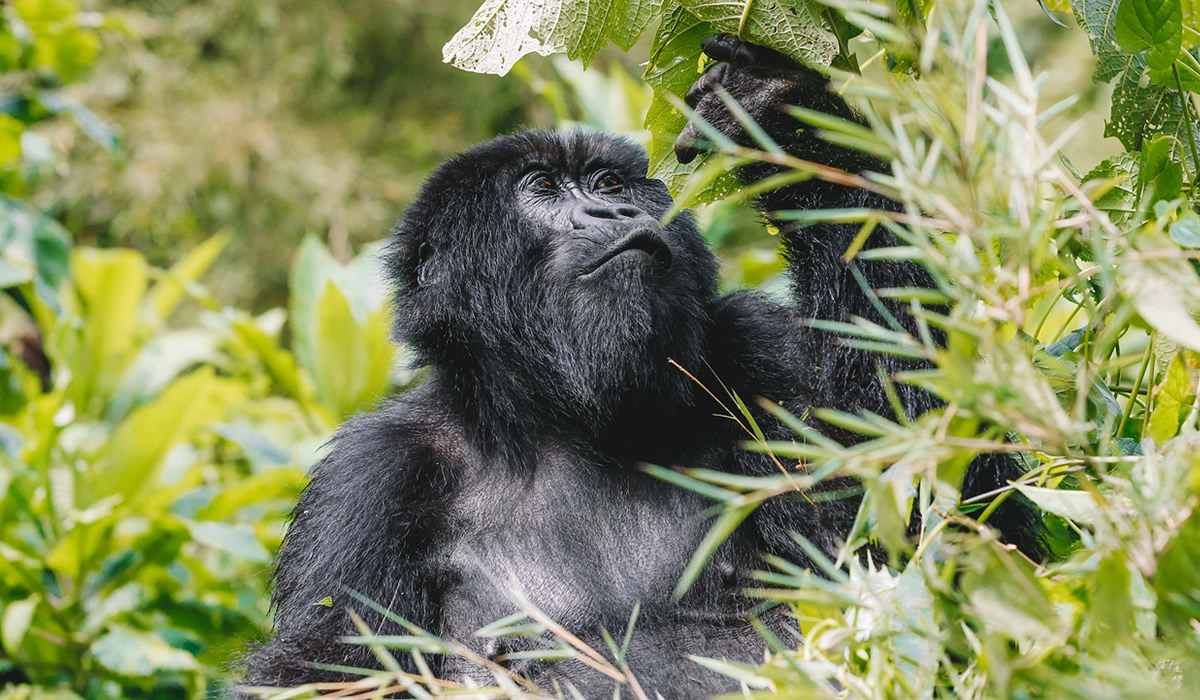
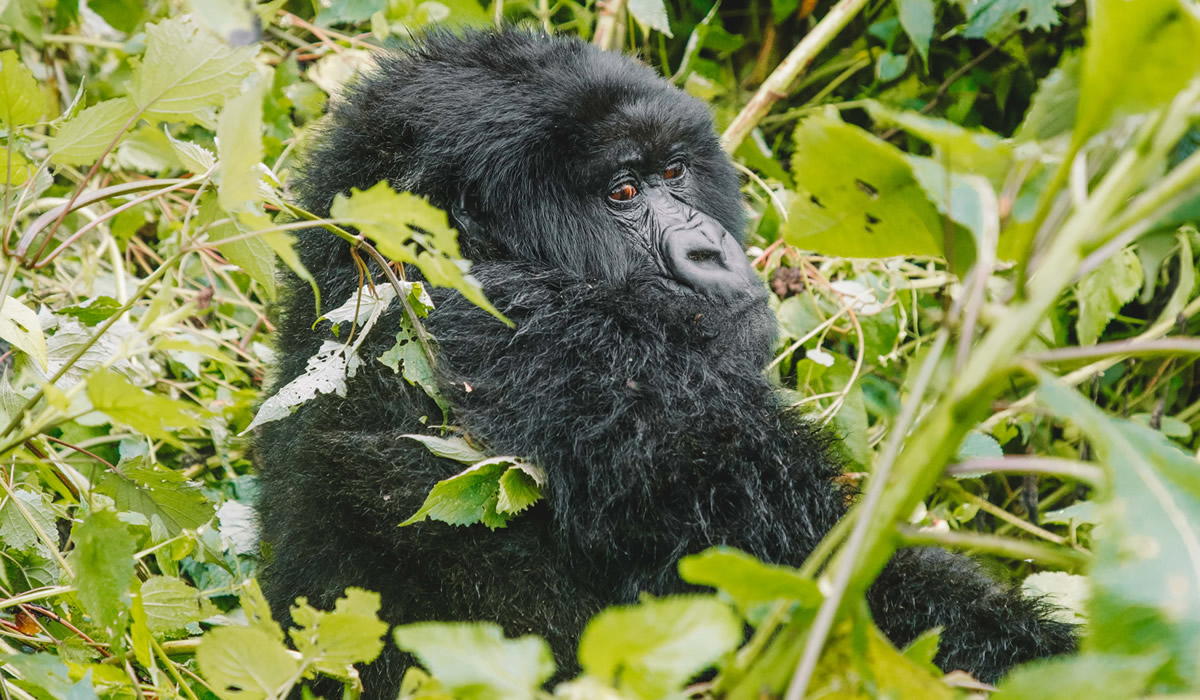
For gorilla trekking, relatively drier conditions can make the forest trails more manageable. You will still need to prepare for rain because Volcanoes National Park is a mountainous rainforest environment, where weather can change quickly. Nevertheless, hiking conditions can generally be more comfortable than during the wetter months.
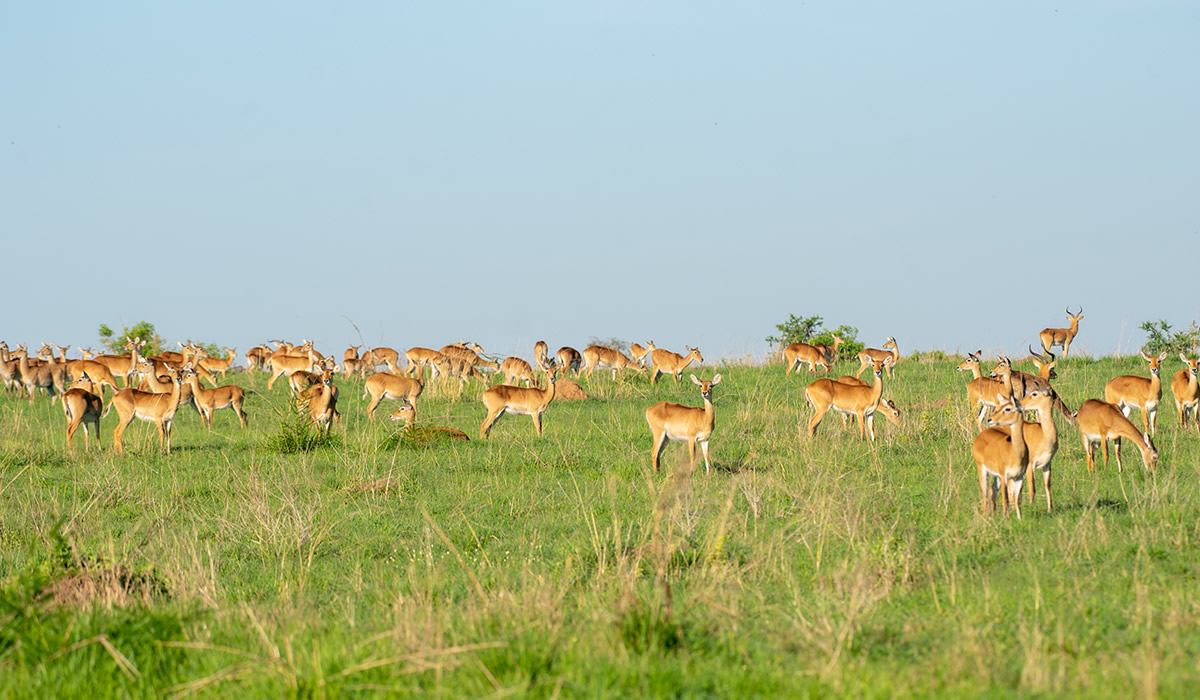
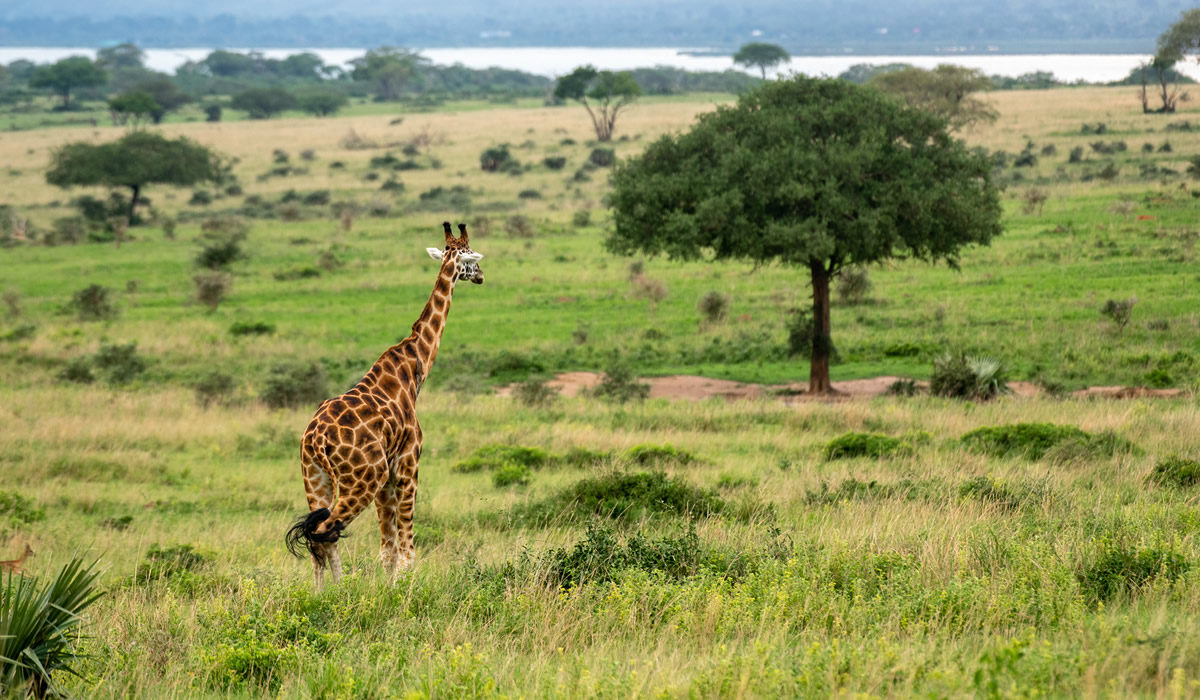
This period is also well suited to a Rwanda wildlife safari in Akagera National Park. Drier conditions can make some roads easier to navigate, while wildlife may become easier to locate around remaining water sources. The open savannah landscape provides excellent opportunities for game drives, with the possibility of seeing elephants, buffaloes, giraffes, zebras, lions and other wildlife.
December to February: Another Good Time to Visit
The period around December to February can also be an attractive time for a Rwanda safari tour. Although conditions are not identical to the main June to September dry season, the period between the major rains can provide opportunities for gorilla trekking, wildlife viewing and other activities.
If you want to combine Volcanoes National Park and Akagera National Park, this period can work well for a varied itinerary. You can spend several days exploring Kigali and Akagera before travelling north to Volcanoes National Park for gorilla trekking.
It is important to remember that weather patterns are not completely predictable. Even during relatively dry periods, rain can occur in the mountains, so appropriate clothing and footwear remain essential.
March to May: The Long Rainy Season
The long rainy season, generally from mid-February to May, brings more frequent rainfall across Rwanda. For some people, this may not be the first choice for a trekking-focused safari because trails can become wet, muddy and slippery. Visit Rwanda notes that weather varies considerably according to location and altitude.
However, the rainy season should not automatically be dismissed. Rwanda’s landscapes become particularly green and vibrant, creating excellent conditions for scenery and nature photography. The forests around Volcanoes National Park can look spectacular, while Akagera’s plains and wetlands take on a lush appearance.
The wetter period can also be attractive if you want a quieter experience and are comfortable hiking in changing conditions. With proper waterproof clothing, sturdy footwear and a good safari operator, you can still enjoy a memorable gorilla trekking Rwanda experience.
Mid-September to Mid-December: Short Rainy Season
The second major rainy period generally occurs from mid-September to mid-December. Like the March to May period, rainfall can make some trekking trails more challenging, particularly in the mountainous terrain of Volcanoes National Park.
On the other hand, this season provides beautiful green landscapes and can be particularly appealing for photographers and birdwatchers. Rwanda’s national parks contain a wide variety of habitats, so rainfall can create very different visual experiences from those found during the drier months.
If you are particularly interested in Rwanda bird watching, the wetter periods can be worth considering. Akagera’s wetlands and Nyungwe’s rainforest provide important habitats for numerous bird species. Akagera alone supports approximately 525 bird species, while Volcanoes National Park is home to around 200 bird species.
Best Time for Gorilla Trekking in Rwanda
The best time for gorilla trekking in Rwanda depends partly on your tolerance for wet and muddy conditions. The June to mid-September dry season is generally convenient because trails are easier to navigate, but gorilla trekking is available throughout the year.
Mountain gorillas live in the rainforest, so rain is always a possibility. The gorillas themselves do not follow a simple seasonal schedule that guarantees easier sightings at a particular time. Instead, the length and difficulty of your trek can depend on where your assigned gorilla family is located and how far it has moved.
Visit Rwanda states that gorilla treks can last from approximately 30 minutes to more than four hours, reaching elevations between 2,500 and 4,000 metres.
This means your preparation is just as important as your choice of month. Sturdy walking shoes, suitable clothing, a lightweight waterproof jacket and gloves can all be useful. Visit Rwanda specifically recommends solid walking shoes, sturdy clothing and waterproof protection.
Best Time for a Rwanda Wildlife Safari
If your priority is classic Rwanda wildlife safari experiences, Akagera National Park should be an important consideration. The park contains savannah plains, wetlands, lakes, woodland and rolling highlands and is once again home to Africa’s Big Five.
The drier months can be particularly attractive for game drives because vegetation is generally less dense and roads can be easier to navigate. Wildlife may also gather more predictably around available water.
A safari in Akagera can include game drives, boat trips on Lake Ihema and bird watching. The lake is known for hippos, Nile crocodiles and numerous waterbirds, providing an experience that complements traditional game viewing.
Best Time for Chimpanzee Tracking in Nyungwe
If you want to extend your Rwanda primate safari beyond gorillas, consider adding Nyungwe National Park. The ancient rainforest is home to chimpanzees and several species of monkeys, including colobus and L’Hoest’s monkeys.
Chimpanzee tracking normally starts early in the morning and can last from approximately one hour to several hours depending on where the chimpanzees are located. The terrain can be steep, slippery and muddy, so suitable footwear and reasonable physical fitness are important.
Because Nyungwe is a rainforest, wet conditions are possible throughout the year. If chimpanzee tracking is a major priority, you should therefore prepare for rain regardless of your chosen travel season.
Best Time for Golden Monkey Trekking
Golden monkey trekking in Volcanoes National Park is another excellent addition to a Rwanda gorilla safari. These distinctive primates live in the bamboo forests and volcanic slopes of the Virunga region.
Golden monkey tracking is particularly appealing if you want another forest-based wildlife activity alongside gorilla trekking. The animals are active and agile, often moving quickly through the vegetation.
The dry season can make hiking more comfortable, but golden monkey trekking remains possible during wetter periods. Your choice can therefore depend on whether gorillas, golden monkeys, wildlife viewing or other activities are your main priority.
Best Time for Bird Watching in Rwanda
Rwanda’s varied habitats make it a strong destination for bird watching throughout the year. Akagera’s wetlands, savannah and lakes support numerous species, while Nyungwe and Volcanoes National Park provide opportunities to search for forest and Albertine Rift birds.
The green conditions during rainy periods can be particularly attractive for nature photography and bird watching. However, if you want to combine extensive birding with easier road conditions for a broader Rwanda safari, the drier months can provide a useful balance.
A specialist itinerary from Verdant Safaris can allocate additional time for birding in locations where your target species are most likely to occur.
Combining Gorilla Trekking and Wildlife Safari
One of the biggest advantages of Rwanda is the ability to combine several different wildlife experiences within one holiday. A well-planned Rwanda gorilla and safari tour can begin in Kigali before continuing to Akagera National Park for game drives and a Lake Ihema boat safari.
You can then travel north to Volcanoes National Park for gorilla trekking and golden monkey tracking. If you have more time, the itinerary can continue south-west to Nyungwe National Park for chimpanzee tracking and rainforest exploration.
Rwanda’s well-surfaced road network connects major towns, and travelling by car is one of the most convenient ways to explore the country. Smaller roads can be more challenging during rainy periods, which is another reason why seasonal conditions matter when planning a road-based safari.
What to Pack for Rwanda Gorilla Trekking and Safari
Regardless of when you visit, packing appropriately is important. For gorilla trekking, sturdy hiking shoes, long trousers, long-sleeved clothing, gloves and a lightweight waterproof jacket are useful. Visit Rwanda specifically recommends sturdy clothing and solid walking shoes for Volcanoes National Park.
You should also consider a small backpack, reusable water bottle, sun protection, insect repellent, personal toiletries and a camera. During the rainy seasons, waterproof protection for your clothing and camera equipment becomes particularly important.
For game drives in Akagera, comfortable clothing, a hat, sunglasses and binoculars can make your experience more enjoyable.
Booking Your Rwanda Safari in Advance
Gorilla trekking requires particularly careful advance planning because the number of permits available each day is limited. Visit Rwanda states that eight tracking permits are issued per habituated gorilla group per day, with a total of 96 permits available daily, so advance booking is strongly recommended.
The current standard international gorilla trekking permit is US$1,500 per person per day, while special rates are available for eligible Rwandan and East African Community residents.
Booking through a reputable safari operator can make the planning process easier because your accommodation, transport, permits and other activities can be coordinated around your trekking date.
Plan Your Rwanda Safari with Verdant Safaris
Ultimately, the best time to visit Rwanda for gorilla trekking and safari tours depends on what you want to experience. June to mid-September is generally the most convenient period for combining gorilla trekking with traditional wildlife safaris because the main dry season makes many roads and hiking paths easier to navigate.
However, Rwanda remains a year-round destination. The rainy seasons bring lush scenery, vibrant forests and excellent opportunities for nature and bird photography, while the relatively dry periods can provide more comfortable conditions for trekking and game drives.
Verdant Safaris can design your Rwanda safari itinerary around your preferred travel dates, budget and interests. Whether you want to focus on gorilla trekking in Volcanoes National Park, experience the Big Five in Akagera, track chimpanzees in Nyungwe or combine all three destinations, careful planning can help you make the most of your time in Rwanda.
Related Posts