Rwanda is increasingly recognised as one of Africa's most diverse safari destinations, offering far more…
Best Time to Visit Uganda for Gorilla Trekking
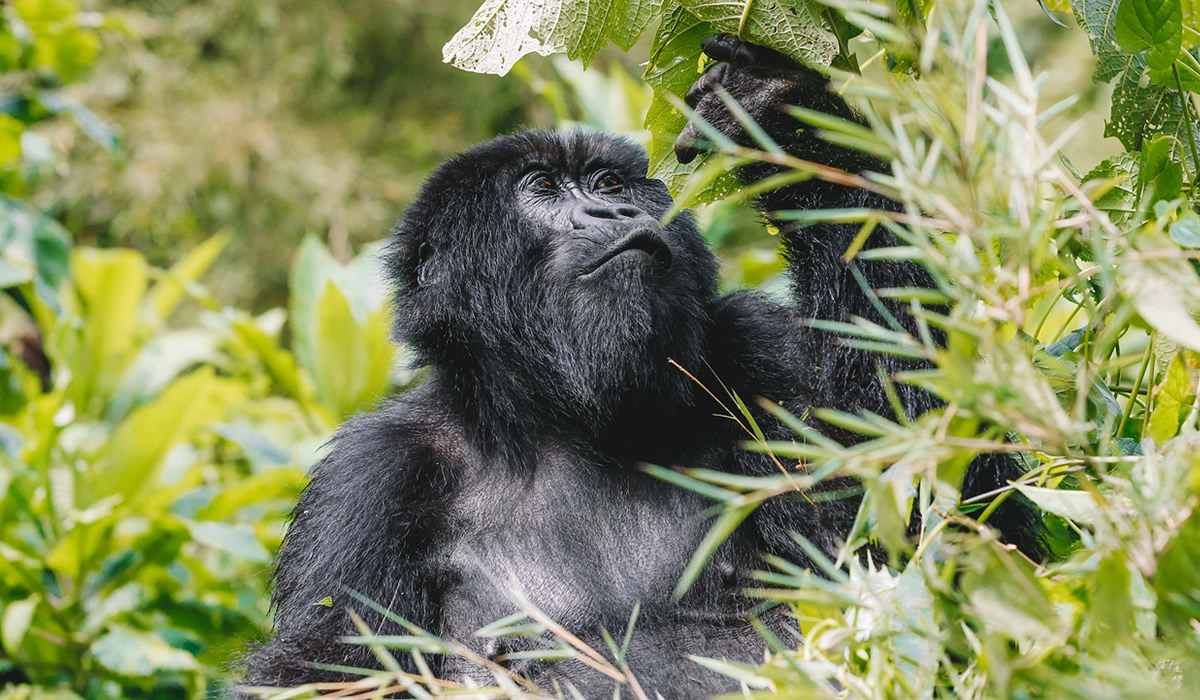
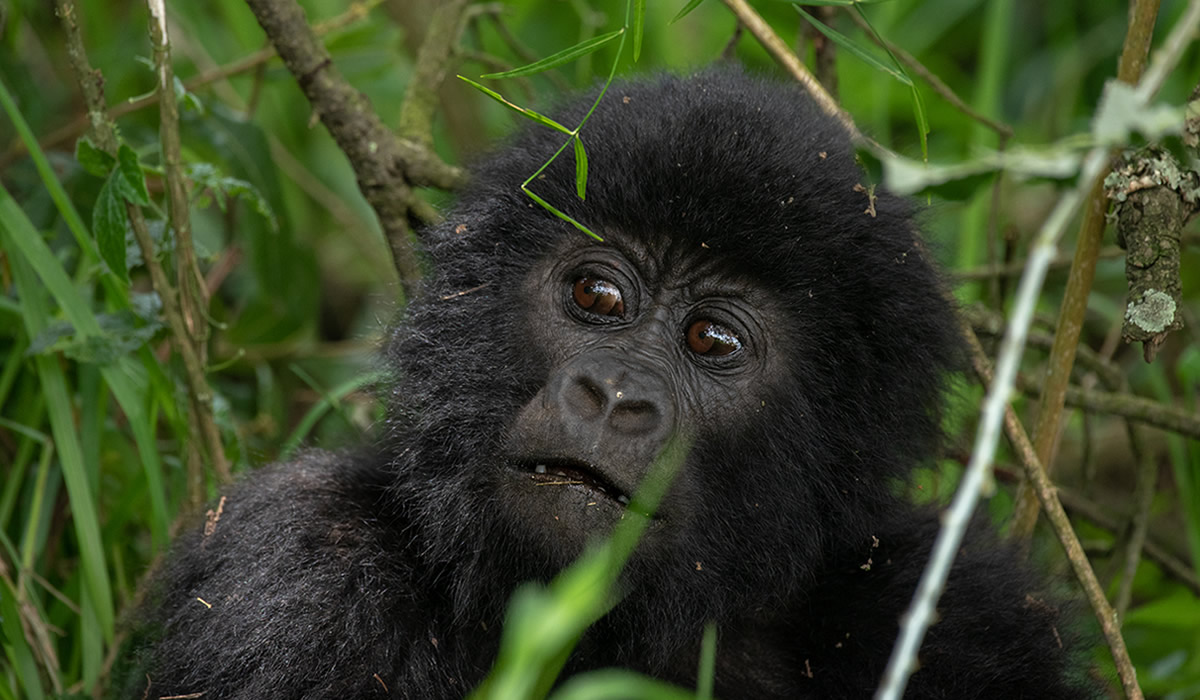
Uganda is one of the world’s leading destinations for gorilla trekking, offering you the rare opportunity to observe endangered mountain gorillas in their natural rainforest habitat. The experience takes place in Bwindi Impenetrable National Park and Mgahinga Gorilla National Park, both in south-western Uganda. Uganda Wildlife Authority (UWA) explains that gorilla trekking can take approximately two to seven hours, depending on the location of the gorilla family, and includes one hour of observation once you reach the habituated group.
One of the most common questions when planning a Uganda gorilla trekking safari is, “When is the best time to go?” Uganda’s gorilla destinations can be visited throughout the year, but the weather, trail conditions and overall trekking experience vary between seasons. Understanding these seasonal differences can help you choose travel dates that match your preferences. This guide from Verdant Safaris explains the best time to visit Uganda for gorilla trekking and what you can expect during each season.
When Is the Best Time for Gorilla Trekking in Uganda?
The best time to visit Uganda for gorilla trekking is generally during the relatively dry periods, particularly June to August and December to February. UWA identifies June to August and December to February as dry seasons that are favourable for primate tracking and wildlife viewing.
The dry seasons can make forest trails more manageable because there is generally less rainfall. This can be particularly useful when you are walking through steep and sometimes muddy terrain. However, it is important to remember that Bwindi and Mgahinga are rainforest environments, so rain can occur at any time of the year, including during the dry season.
For this reason, there is no month when you can guarantee completely dry conditions. Instead, the dry seasons are best understood as periods when you may have more favourable trekking conditions.
Gorilla Trekking from June to August
June, July and August are among the most popular months for a gorilla trekking holiday in Uganda. UWA’s information on Uganda’s climate identifies June through August as part of the country’s drier period for primate tracking.
The relatively reduced rainfall can make hiking conditions more comfortable, although forest trails can still be damp and slippery. In Mgahinga, UWA identifies May to August as a dry season, with June and July among the driest months.
If you plan to visit during these months, it is sensible to reserve your gorilla trekking permit and accommodation well in advance. You should also remember that favourable weather does not remove the need for proper hiking equipment. Waterproof footwear, a rain jacket and suitable trekking clothing remain important.
Gorilla Trekking from December to February
December, January and February form another relatively dry period and can be an excellent time for a Uganda gorilla safari. UWA identifies December to February as a dry season for Uganda’s primate tracking and wildlife-viewing destinations.
During this period, rainfall may be lower than during the main wet seasons, although the rainforest environment means showers remain possible. The trails can sometimes be easier to navigate, depending on recent weather conditions.
February can be particularly useful if you want to combine gorilla trekking with other wildlife experiences. You can potentially include destinations such as Queen Elizabeth National Park or Kibale National Park in a wider Uganda safari itinerary, giving you an opportunity to experience both rainforest primates and savannah wildlife.
Gorilla Trekking During the Wet Seasons
Uganda’s wet periods generally occur around March to May and September to November, although rainfall patterns vary between locations. UWA’s climate information for Bwindi and Mgahinga identifies March to April and September to November or December as important rainy periods.
Rain does not mean that gorilla trekking stops. You can still trek in the forest, and the experience can be rewarding during wetter months. The main consideration is that trails may become muddier and more slippery, while rain can make the trek physically more demanding.
For you, travelling during the wet season can therefore work well if you are comfortable with changing weather and want to experience the rainforest when it is particularly lush and green. A waterproof jacket, waterproof hiking boots and appropriate trekking clothing become especially important.
Is Gorilla Trekking Possible All Year Round?
Yes. Gorilla trekking in Uganda is a year-round activity. The gorillas remain in their natural habitat throughout the year, and habituated groups continue to be monitored by rangers and trackers.
The fact that trekking takes place throughout the year gives you considerable flexibility when planning your Uganda holiday. You do not necessarily need to cancel your plans simply because your preferred dates fall outside the traditional dry seasons.
Instead, you should consider the balance between weather, trail conditions, permit availability, accommodation and your wider safari plans. Your chosen trekking sector can also influence the practical arrangements for your journey.
Bwindi or Mgahinga, Which Is Better for Gorilla Trekking?
Uganda has two destinations where you can go mountain gorilla trekking, Bwindi Impenetrable National Park and Mgahinga Gorilla National Park. UWA describes Bwindi as the more popular gorilla trekking destination and identifies four main trekking sectors: Buhoma, Ruhija, Rushaga and Nkuringo.
Mgahinga is located within the Virunga Mountains and provides an alternative setting, with dramatic volcanic scenery surrounding the forest. UWA notes that Mgahinga issues about eight gorilla permits per day, making it a smaller-scale trekking destination compared with Bwindi.
The choice between the two should take into account permit availability, your preferred accommodation, accessibility and the other activities you want to include in your safari.
What Is Gorilla Trekking Like During the Dry Season?
During a dry-season gorilla trek in Uganda, you may find that forest trails are easier to navigate than immediately following heavy rainfall. However, this does not mean that the forest will be dry. Bwindi and Mgahinga are mountainous rainforest environments, and rain and mist can occur throughout the year.
The trek itself may last anywhere from a couple of hours to most of the day. UWA states that the duration can range from two to seven hours, depending on where the gorilla family is located.
You should therefore prepare for a genuine forest hike rather than expecting a short walk. Once you locate your assigned gorilla family, UWA provides one hour for observation. The experience is guided by trained rangers and trackers who help you follow the appropriate procedures.
What Should You Pack for Gorilla Trekking?
Regardless of when you visit Uganda, appropriate clothing and equipment are essential. The forest can be wet, muddy and cool, and the terrain can include steep slopes and uneven paths.
You should pack sturdy hiking boots with good grip, long trousers, a long-sleeved shirt, a waterproof jacket or poncho and a small daypack. Gardening-style gloves can be useful when moving through vegetation, while walking poles can provide additional support on steep sections.
It is also sensible to carry drinking water, snacks, sunscreen, insect repellent and a camera. Keep your equipment protected from rain by using waterproof bags or covers.
Even when visiting during June, July, August, December, January or February, you should be prepared for rainfall. Uganda’s mountain forests do not follow the same predictable weather patterns as open savannah areas.
How Far in Advance Should You Plan Your Gorilla Safari?
Your Uganda gorilla trekking tour should be planned well in advance, particularly if you have specific travel dates. Gorilla trekking permits are limited, and your preferred trekking sector and accommodation may not always be available at short notice.
UWA provides official guidance and tariff information for gorilla tracking, and its publications include guidelines covering gorilla and chimpanzee permits.
Planning ahead also allows you to build a more comfortable itinerary around your trekking date. You can arrange suitable accommodation close to the trekking sector, organise transport and add other destinations such as Kibale Forest or Queen Elizabeth National Park.
Combining Gorilla Trekking with Other Uganda Safari Experiences
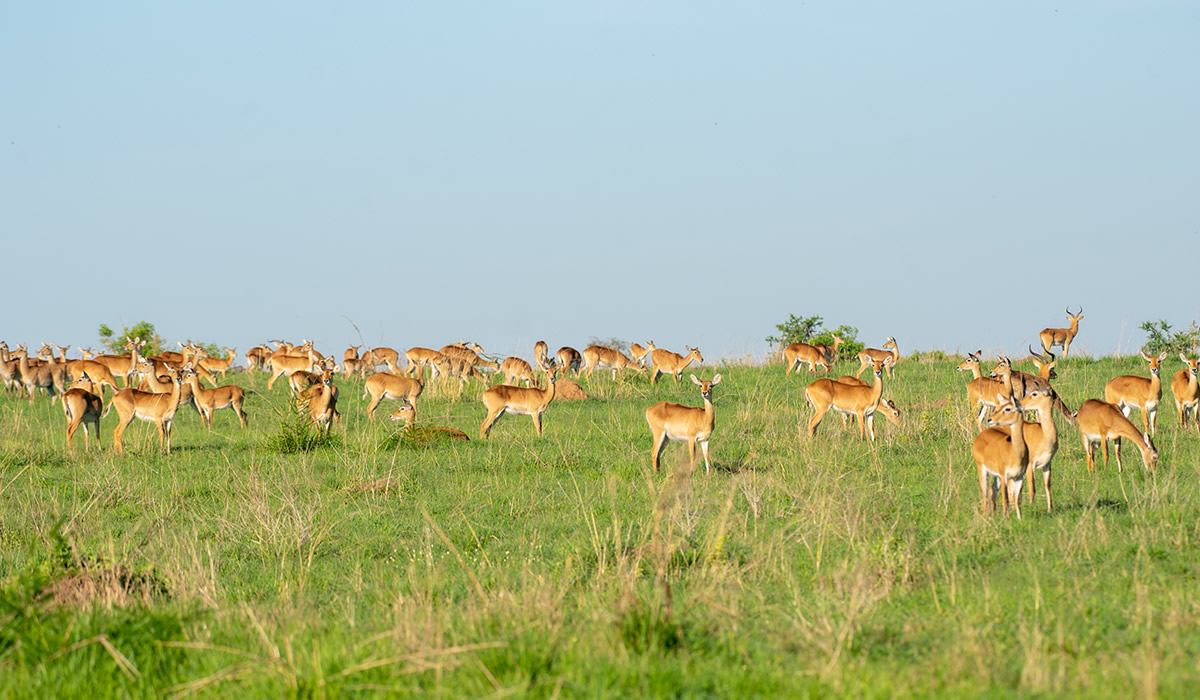
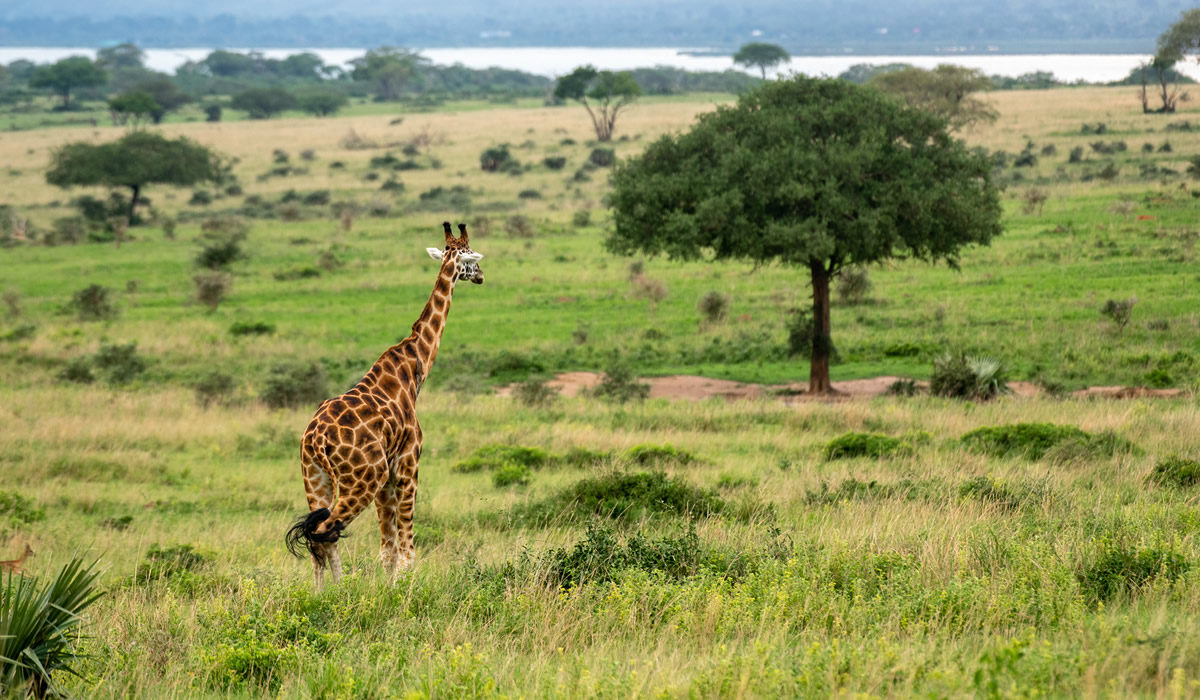
One of the major advantages of choosing Uganda is that you can combine gorilla trekking with a wildlife safari. After exploring Bwindi or Mgahinga, you can continue to Queen Elizabeth National Park for game drives and a boat cruise on the Kazinga Channel.
Kibale National Park is another popular addition, particularly if you are interested in chimpanzee tracking. You can create a western Uganda safari itinerary combining chimpanzees, gorillas, savannah wildlife and scenic landscapes.
For a longer holiday, destinations such as Murchison Falls National Park, Lake Mburo National Park or Kidepo Valley National Park can also be considered. Uganda Wildlife Authority manages 10 national parks covering a wide range of ecosystems and wildlife experiences.
Why the Weather Should Not Be Your Only Consideration
Although weather is an important factor in deciding when to go gorilla trekking in Uganda, it should not be the only consideration. The dry seasons may offer more favourable trail conditions, but the wet seasons can provide a lush rainforest environment and a different atmosphere.
Your travel dates may also depend on work or school holidays, international flight schedules, accommodation availability and the other destinations you want to visit. The most suitable period is therefore the one that allows you to combine practical travel arrangements with the type of trekking experience you want.
Plan Your Uganda Gorilla Trekking Tour with Verdant Safaris
The best time to visit Uganda for gorilla trekking is generally during the drier periods of June to August and December to February, when conditions can be more favourable for trekking. However, gorilla trekking is available throughout the year, and wet-season visits can also provide a rewarding rainforest experience. UWA confirms that June to August and December to February are generally favourable dry periods for primate tracking and wildlife viewing.
At Verdant Safaris, we can help you plan a tailor-made Uganda gorilla trekking safari around your preferred travel dates, trekking destination, accommodation and wider wildlife interests. Your itinerary can combine gorilla trekking with chimpanzee tracking, game drives, boat safaris, birdwatching and cultural experiences.
Whether you choose the drier months or travel during a wetter period, preparing properly is the key to enjoying your time in Uganda’s mountain forests. With suitable clothing, a well-planned itinerary and the right local arrangements, your gorilla trekking adventure can become one of the most memorable experiences of your Uganda safari holiday.
Related Posts